 Google reviews
 Yelp reviews
 Facebook reviews
 Trustpilot reviews
 Tripadvisor reviews
 Glassdoor reviews
 Indeed company reviews
 Reddit posts
 Instagram posts
 TikTok videos
Remove fake and policy-breaking Google reviews
Google reviews are about 9 in 10 of what we remove. We file all your bad reviews with Google under its own policy, and Google decides each one. You pay for the ones that come down.
- You see the price first
- No subscription
Why one bad Google review matters.
On a typical Google profile, about 1 review in 18 is one-star, and one-star reviews are 2.6 times longer than five-star ones (a median of 315 characters against 119). Across 306,017 reviews on 1,106 Google profiles we monitor (TrustReviews data, October 2026), 87.8% are five-star and 5.6% are one-star. The one-star share stayed between 5.6% and 7.2% in every year from 2014 to 2026. These profiles belong to businesses that came to a removal company, so they are not a random sample of Google.
The median profile has 121 reviews, a 4.75 average and 5 one-star reviews. On a profile with those numbers, one new one-star review takes the average to 4.72, and the same profile without its 5 one-star reviews would average 4.91. Of 1,170 Google reviews we removed and kept a copy of, 86.6% were one-star, 6.8% had no text and 13.1% had photos. 1 in 3 was more than a year old when we filed it under the Maps user-generated content policy, and the oldest was posted in 2013.
Reviews of every star rating also disappear with no one filing them. Of 7,052 reviews that disappeared from our monitored profiles between March and October 2026 with no case of ours, the five-star losses fell mostly on a few profiles: the 50 hardest-hit held 62% of them. That count includes Google’s own filter, which blocked or removed over 292 million reviews in 2025, and reviewers who deleted their own reviews.
What we file under Google’s own rules.
Google removes Google reviews that break these rules. A Google review that breaks none of them usually stays up.
Fake engagement
Google bans content “not based on a real experience”, paid reviews, and reviews posted from several accounts by one person. It also bans posting on a competitor’s profile to hurt its reputation. This shows up as a reviewer who was never a customer, or a burst of one-star reviews from new accounts.
Conflict of interest
Under its Rating manipulation rules, Google names “current or former employment”, “industry competitors” and family ties as conflicts of interest. This shows up as a review from a former employee, their friends or relatives, or a rival business.
Off-topic
Google allows only content based on an experience at that place, not “general, political, or social commentary or personal rants”. This shows up as a review meant for a different business with a similar name, or a post about a news story.
Offensive content
Google bans “unsubstantiated allegations of unethical behavior or criminal wrongdoing” and content that attacks people. This shows up as “scam”, “thief” or “fraud” with no account of what happened. Google allows negative experiences told in a respectful way.
Personal information
Google bans posting another person’s personal information without consent, such as a full name, a last name or their face in a photo. This shows up as a review that names a staff member in full or posts their phone number or home address.
Harassment, hate speech and profanity
Google removes threats of harm, doxxing, hate speech, and profanity used “to offend other users or emphasize criticism”. This shows up as abuse aimed at a named owner or employee, or a slur. Google’s Repetitive content rule also covers the same text posted more than once.
What stays up, and what we do not do
We file the Google reviews you choose, and Google decides each one. A review that tells a real experience and breaks no policy usually stays up, however harsh it is. No one can guarantee every review comes down, because Google makes the final decision on each one. We do not contact reviewers, ask Google who wrote a review, post or buy reviews, or ask Google to put back removed five-star reviews. We do not use methods that break Google’s rules, because removals won that way get reversed later.
How to report Google reviews yourself.
Any owner can report a review from their Business Profile at no cost. Google checks the report against its Maps user-generated content policy and decides. Google says it does not get involved in conflicts between businesses and customers, so a report must name a rule the review breaks.
- 1Open your Business Profile, select Read reviews, select Report next to the review, choose the reason and select Send report (Google’s steps).
- 2To report reviews from one place and see their status, open the Reviews Management Tool. Select your business, then Report a new review for removal, then Report next to the review, then Submit.
- 3Check the status in the same tool. “Decision pending” means Google has not evaluated the report yet. “Report reviewed - no policy violation” means Google found no breach.
- 4If Google found no violation, you can submit one appeal for that review in the tool, with up to 10 reviews in one appeal. The status changes to “Escalated - check your email for updates”, and Google emails its final decision.
- 5To report a reviewer’s whole profile, open the Google Maps app, tap Business, then Reviews, then the reviewer’s name. In their profile, tap More, then Report, and choose a reason.
- 6If someone floods your profile with one-star reviews and then asks for money, do not pay or reply. Report it with Google’s extortion report form, which Google announced in November 2025. Include screenshots of the messages, links to the reviews and a timeline.
- 7If you believe a review breaks the law, for example a false statement of fact, Google has a separate legal removal request. This is general information, not legal advice.
Sources
- Google: Maps user-generated content policy, prohibited and restricted content
- Google: Report inappropriate reviews on your Business Profile
- Google: Reviews Management Tool
- Google: Report negative review extortion scams on your Business Profile
- Google: Business Profile restrictions for policy violations
- Google: Report content for legal reasons
- Google, April 2026: New ways we’re protecting businesses on Maps
- Google, November 2025: Frauds and scams advisory
How Google removal works, step by step.
In the TrustOS portal, search for your business by name or paste a Google Maps link. Service-area businesses with no public address work too. We read every review at once and show you each one rated 3 stars or less.
Every 1-star review is selected by default, and you can add 2 and 3 star reviews. You choose how many removals you want. Before anything starts, you accept terms that list the reviews, the price, the most you can be charged and when a charge happens.
We screenshot each review before work starts. Our filing team files each one with Google under its own policy, and Google decides. Your portal shows each review as Waiting to be sent, Being worked on, Removed, Could not be removed, or Stopped.
A person checks every removal before we count it. We email you the review and its before-removal screenshot, and you pay for the ones that come down. If a removed review comes back, we file it again at no charge.
We file all your bad reviews.
You pay for the ones that come down. On Google, you see the price and accept the terms in the app before anything is filed. For other sites, your account manager agrees the price with you first. No one can guarantee every review comes down, because the platform makes the final decision on each one.
Google removal, an example.
A former hygienist and two of her friends left five one-star reviews in one weekend. The practice dropped from 4.8 to 4.3, and new-patient calls fell by a third.
We filed all five with Google. Google removed all five, and the rating returned to 4.8.
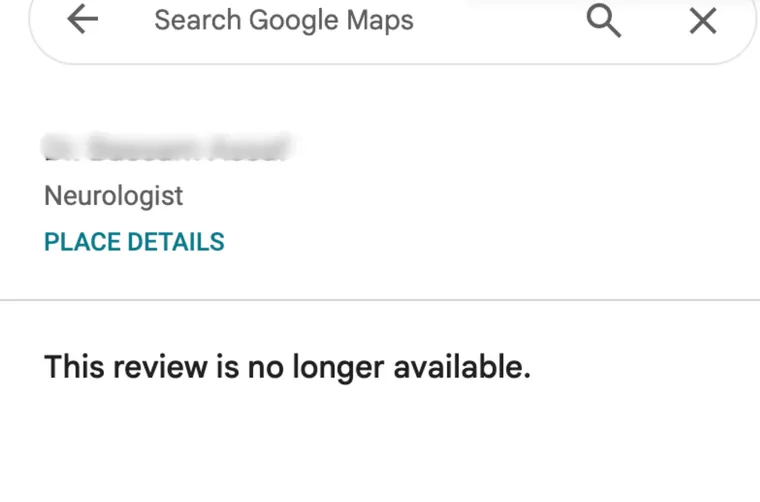
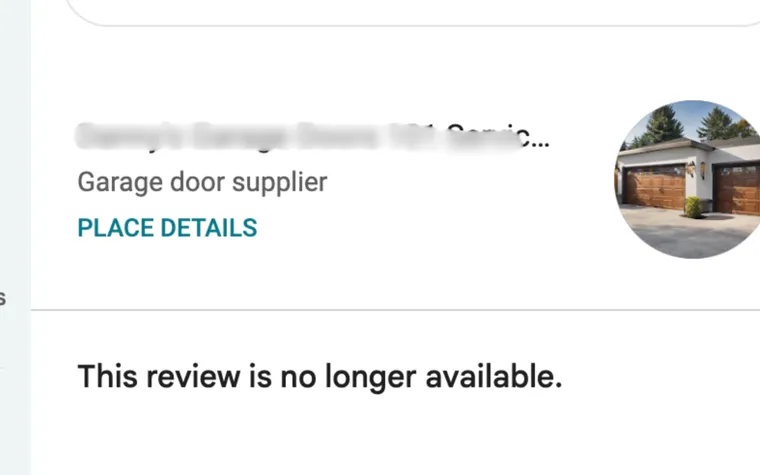
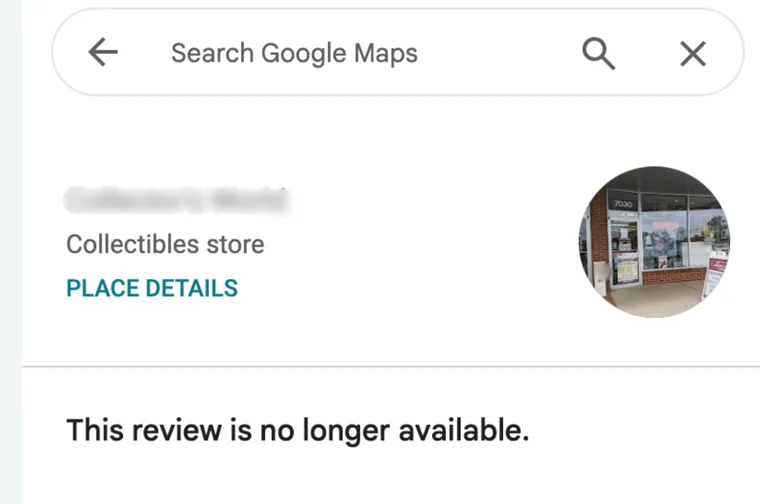
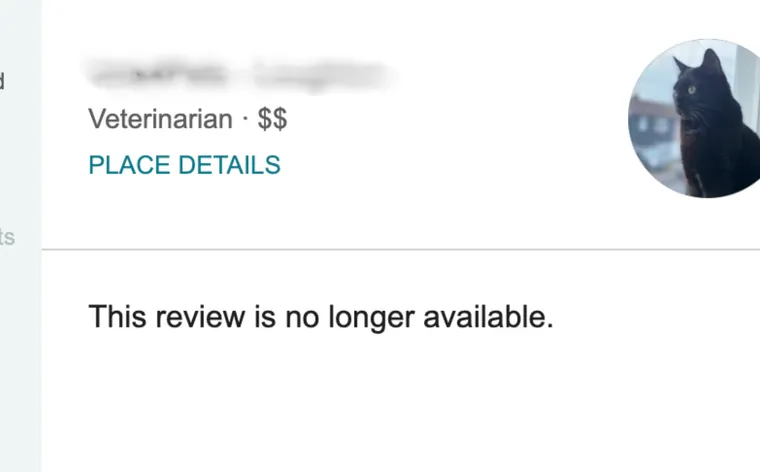
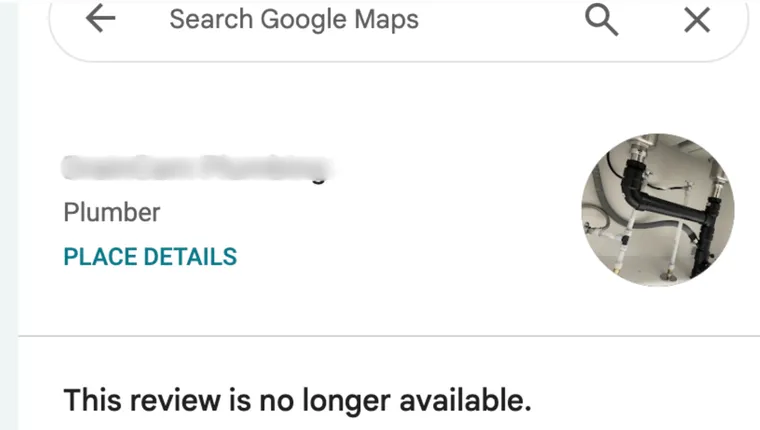
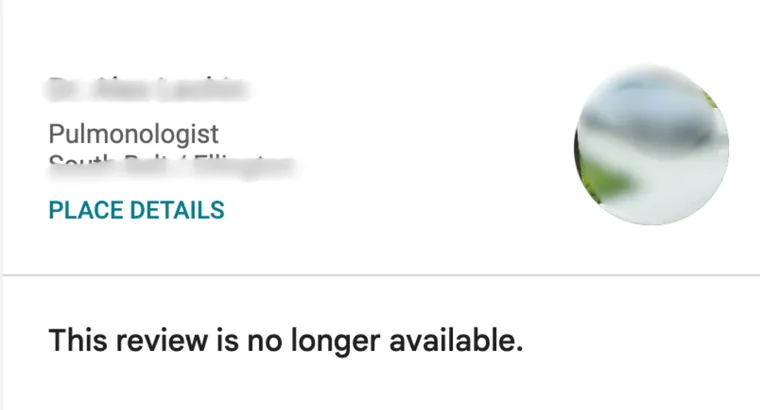
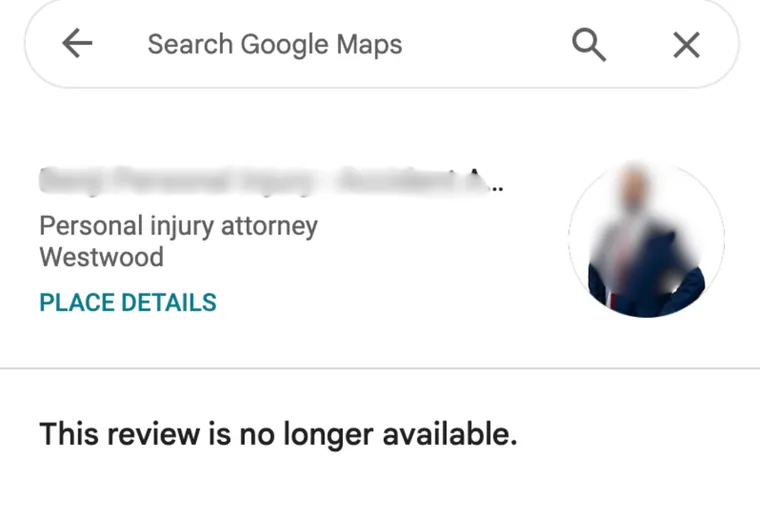
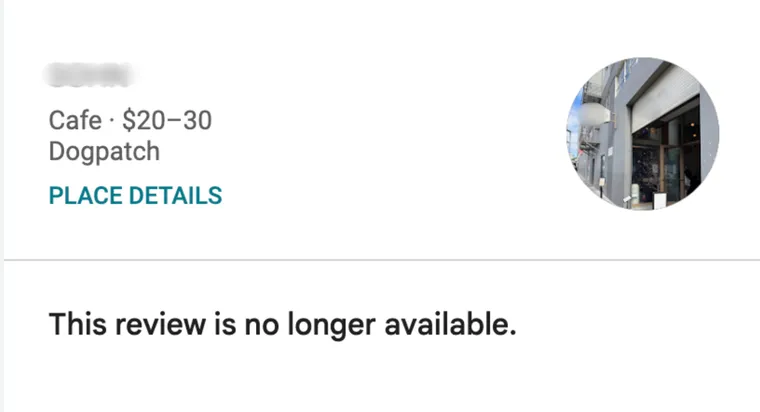
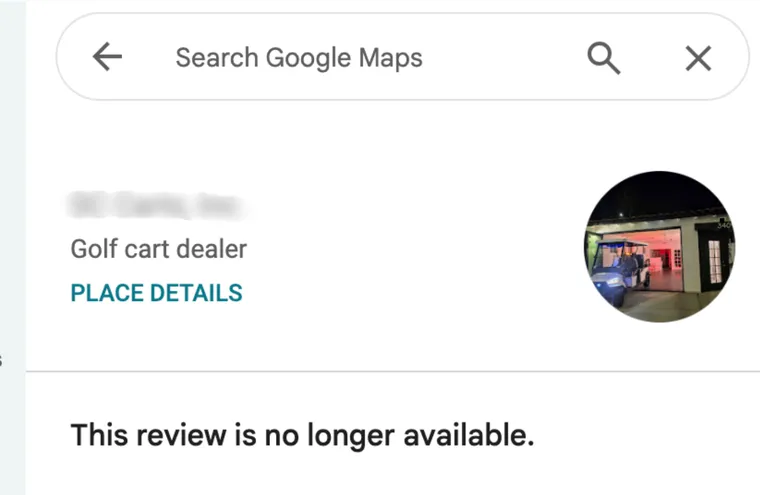
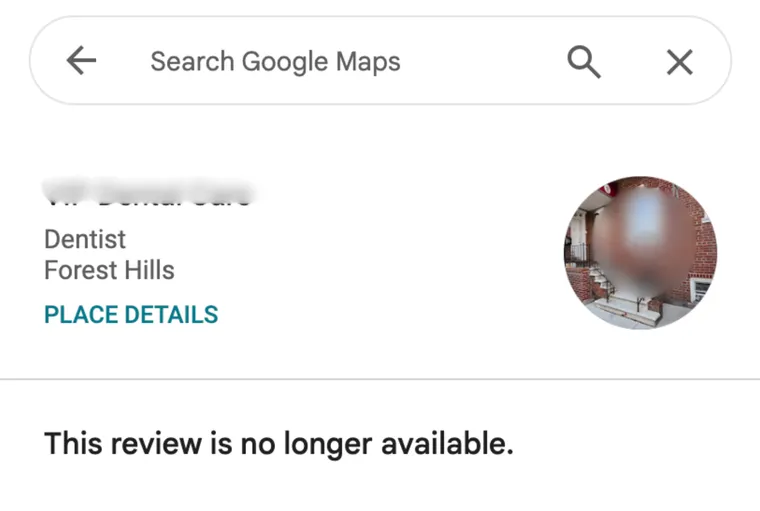
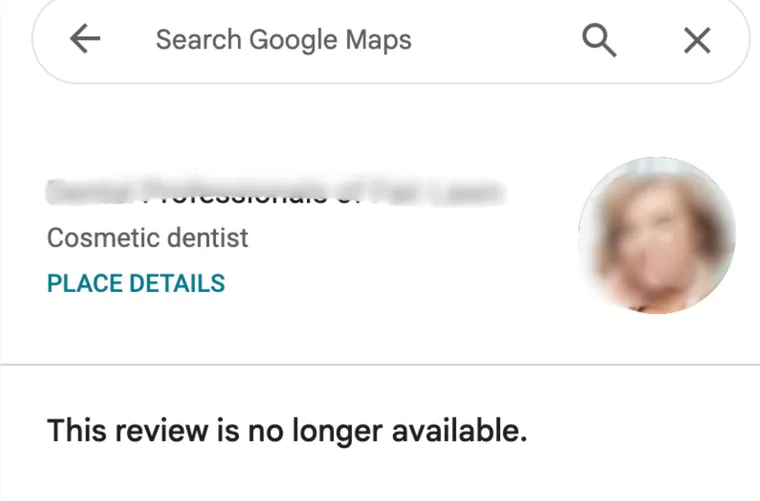
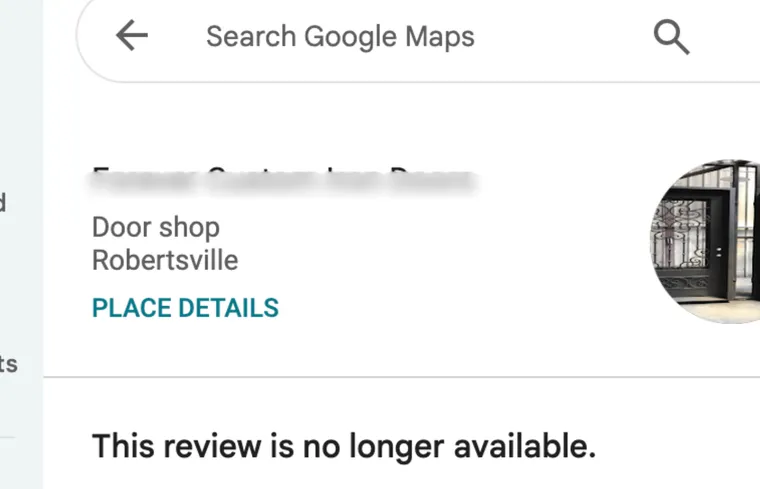
Real Google reviews we’ve had removed.
Each one now reads “This review is no longer available.” Business names are blurred for privacy.
What every client gets.
Every review tracked
The TrustOS portal shows each review as Waiting to be sent, Being worked on, Removed, Could not be removed, or Stopped.
An email before any charge
Before we charge for a removal, we email you the review and the amount. If something looks wrong, reply to that email.
Refiled if it comes back
A platform can restore a review it removed. If that happens, we file it again at no charge, and we never bill you twice for the same review.
Daily monitoring
We read every Google profile you connect about once a day. One email lists the new 1 and 2 star reviews across all your profiles. It comes with your first removal.
A named account manager
One person looks after your account and answers your emails and texts, Monday to Friday, 9am to 5pm ET.
A planning call for 10 or more
If you have 10 or more bad reviews, the app offers a free 15-minute planning call with your account manager.
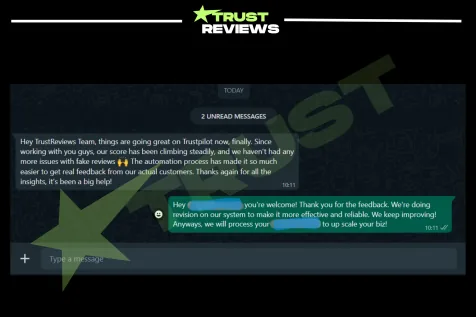
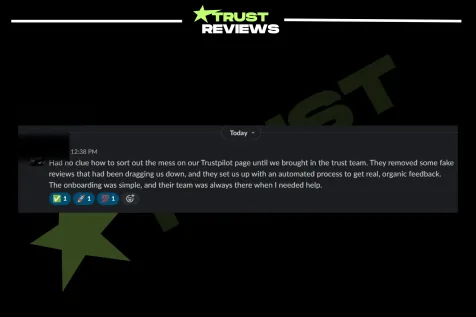
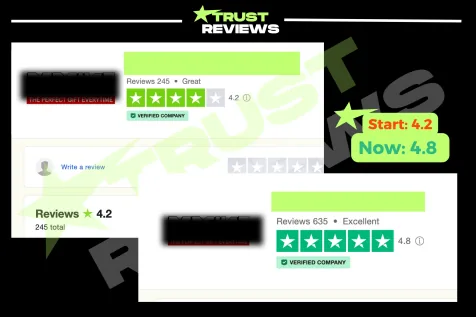
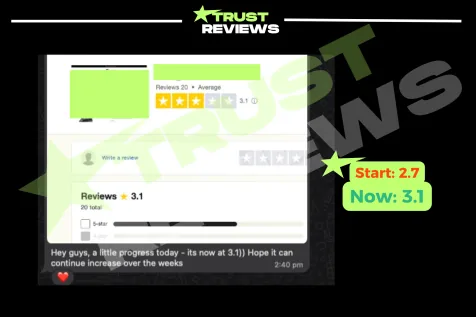
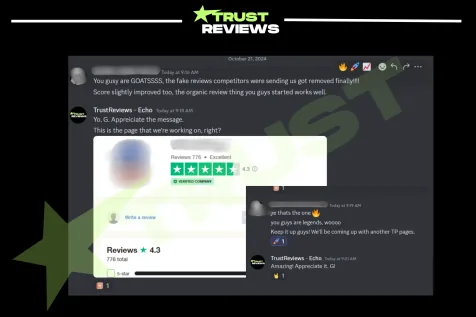
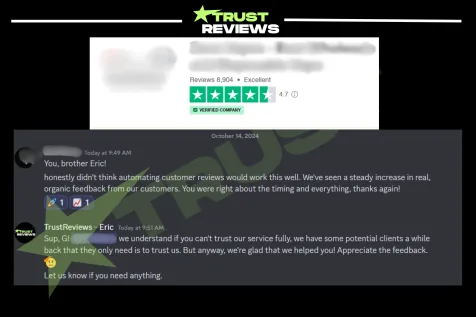
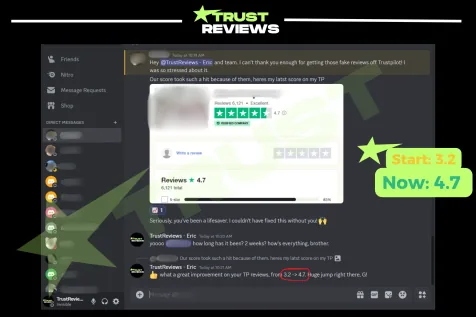
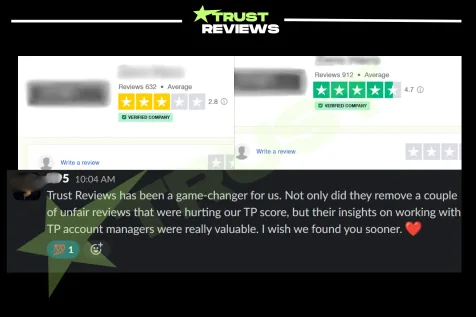
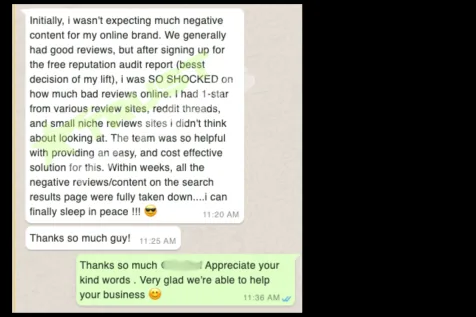
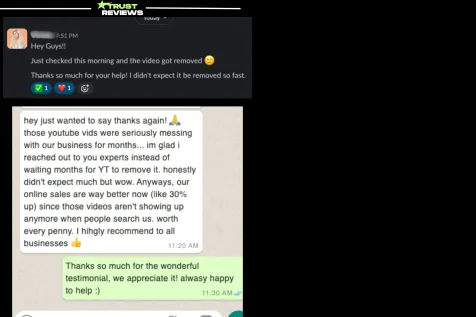
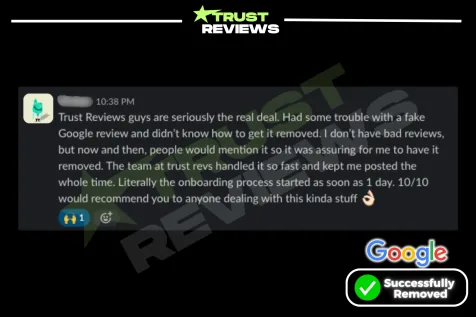
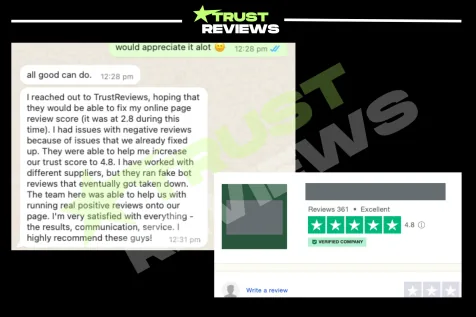
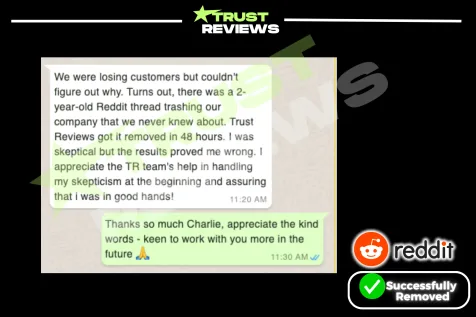
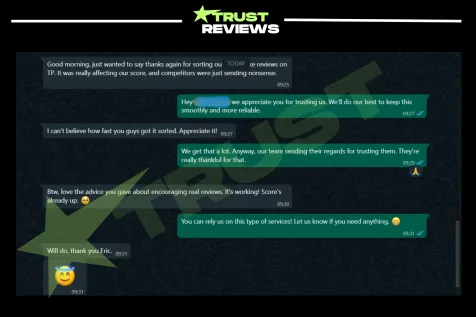
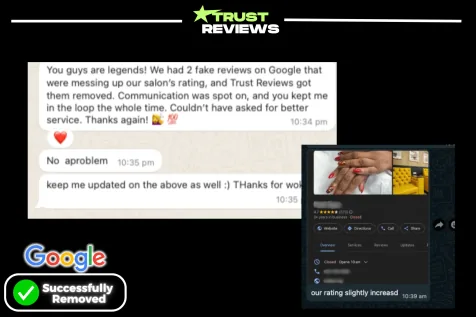
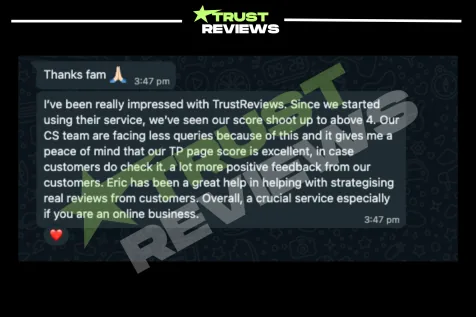
Our clients, in their own words.
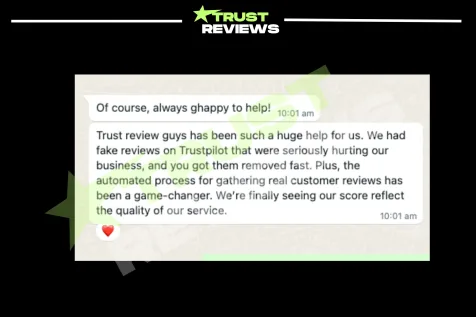
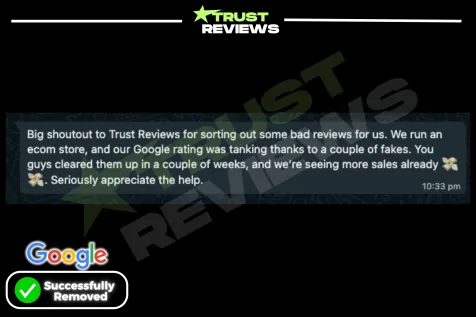
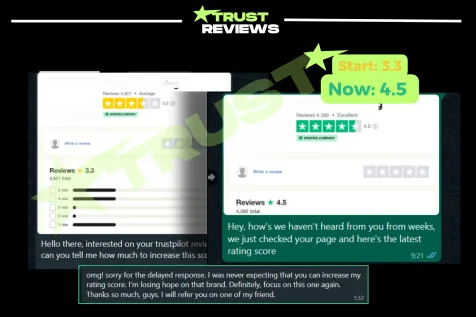
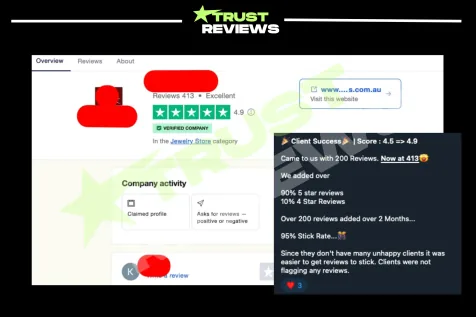
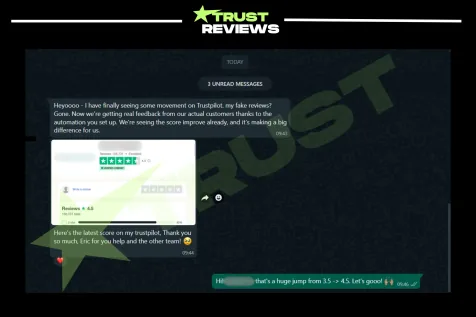
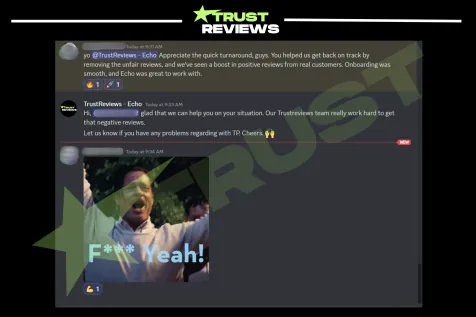
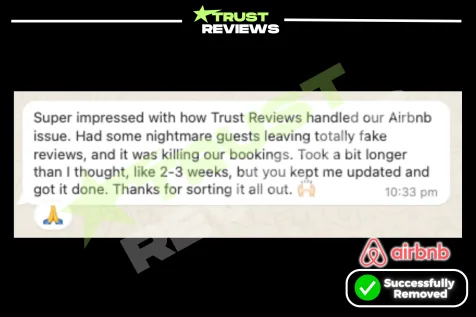
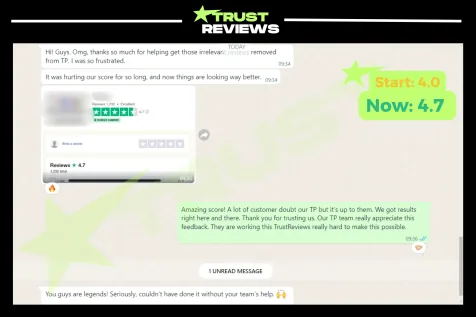
Screenshots of messages clients sent us. We keep every client’s work confidential.
Questions about removing Google reviews
What can I do after Google says “no policy violation”?
You can appeal once. In Google’s Reviews Management Tool, a report marked “Report reviewed - no policy violation” can go into one appeal, with up to 10 reviews in each appeal. The status then reads “Escalated - check your email for updates”, and Google emails its final decision. We can still file a review you already reported; tell us what Google decided.
Can Google remove a one-star rating with no text?
Yes, if it breaks Google’s policy. Google says a review or rating should reflect an actual experience, so a rating-only review from someone who was never a customer is fake engagement. With no text, the review itself shows no breach, so the pattern around it matters, such as a burst of ratings from new accounts. Of the Google reviews we removed, 6.8% had no text.
Why did some of my five-star Google reviews disappear?
Google removes reviews with automated systems, and its help page says genuine reviews are sometimes removed by mistake. Of 7,052 reviews that disappeared from the 1,106 profiles we monitor between March and October 2026 with no case of ours, the 50 hardest-hit profiles held 62% of the five-star losses, and the median lost five-star review was 26 days old. A review also goes when the reviewer deletes it or closes their account. We do not ask Google to put back removed five-star reviews.
What should I do if someone demands money to remove one-star reviews?
Do not pay or reply. Google calls this review extortion and says paying does not guarantee the reviews come down. Report it with Google’s extortion form, announced in November 2025, with screenshots of the messages and links to the reviews. Since April 2026, Google says it can pause new reviews on a profile under a sudden spike in spam reviews and alert the owner.
Will filing many reviews hurt my Google profile?
We have seen no penalty or limit on a profile from filing many of its reviews. The profile restrictions Google publishes, such as blocking new reviews or showing customers a warning, are for businesses that break its Fake engagement policy, for example by buying reviews. We file every review under Google’s own policy and use no methods that break Google’s rules.
What if nothing comes down?
You pay for the ones that come down. The platform decides on each review, and a review it keeps up shows as Could not be removed in your TrustOS portal.
What if nothing comes down?Google guides and answers.
Reviews on other sites? See how each site handles them.
Send us the review that is hurting you.
Paste the link to your Google profile, or to the review or post, and we will tell you how to get started.
Send us the linkAsk a question or paste a link. We reply Monday to Friday, 9am to 5pm ET.
💬 Open the chat