 Google reviews
 Yelp reviews
 Facebook reviews
 Trustpilot reviews
 Tripadvisor reviews
 Glassdoor reviews
 Indeed company reviews
 Reddit posts
 Instagram posts
 TikTok videos
HHS has fined or settled with three dental practices over replies
4.4 → 4.7
Google rating after removal
We file the reviews you choose with Google, Yelp and Facebook under each platform’s own policy, for independent shops and dealerships. The platform decides each one, and you pay for the ones that come down.
A complaint about the price usually stays up on its own: Google says it “doesn’t get involved in conflict between businesses and customers”, and Yelp says it does not take sides in factual disputes. The same review breaks Google’s policy when it calls you thieves or frauds without proof, because the Maps policy lists “unsubstantiated allegations of unethical behavior or criminal wrongdoing” as offensive content.
A declined warranty claim, a part the shop never installed, or a manufacturer’s recall can turn into one customer’s review and then several more from family and friends. The customer’s own review is their experience. Reviews from people who never brought a car in are “not based on a real experience” under Google’s Fake engagement policy.
A shop with a common name, or a name close to a chain’s, collects reviews meant for another shop across town. Google’s policy says content must be based on the reviewer’s experience at that specific location. Competitors are named too: in one of our auto cases, a removed review told readers to take their car to a rival shop instead.
Google lets a dealership’s departments that operate as distinct entities have their own Business Profiles, with their own name and category. When a buyer posts about the sales floor or the finance office on the service profile, the review is about a different department. If sales and service share one profile, a sales review is about that business and usually stays.
Bad reviews on a shop often arrive together. In TrustReviews data on 1,304 new one and two star Google reviews seen within 3 days of posting (406 profiles, March to October 2026), 36% landed within 48 hours of another on the same profile. Busy profiles cluster more by chance, and these profiles belong to businesses that came to a removal company, so they are not a random sample of Google. An illustrative example, not a measured result: a shop doing 280 jobs a month at a $480 average repair order takes in about $134,400 a month. If a lower rating cost it 1 job in 20, that is 14 jobs and about $6,720 a month.
Luca’s Harvard Business School study of independent Seattle restaurants on Yelp found that each extra star brought 5 to 9 percent more revenue. Your business may differ. Change the numbers to match yours.
Estimate only. Luca, “Reviews, Reputation, and Revenue: The Case of Yelp.com”, Harvard Business School, 2016. The median rating across the 1,106 Google profiles we monitor is 4.75 (TrustReviews data, October 2026; these businesses came to a removal company, so they are not a random sample).
Connect your Google Business Profile in the TrustOS portal: search by name or paste a Google Maps link. Businesses with no public address can connect too. We read every review at once and show you each one rated 3 stars or less.
Every 1-star review is selected by default; add 2 and 3 star reviews if you want, and choose how many removals you want. You see the price and accept the terms in the app before anything is filed. For other sites, send us the links in the chat and your account manager agrees the price with you.
We screenshot each review, then our filing team files it with the platform under its own policy. The platform reads each one and decides. Some removals arrive months after filing, so we follow every filing to an outcome.
A person checks every removal before we count it; our software never marks a review removed by itself. We email you the review and its before-removal screenshot, and we stop when the number of removals you asked for is reached.
You pay for the ones that come down. On Google, you see the price and accept the terms in the app before anything is filed. For other sites, your account manager agrees the price with you first. No one can guarantee every review comes down, because the platform makes the final decision on each one.
The shop declined a warranty claim on a transmission it had not installed. The car’s owner and four relatives then left one-star reviews over two days calling the shop thieves. Only the owner had ever been a customer. The rating fell from 4.8 to 4.4, and booked jobs dropped by about a fifth.
We filed all five reviews with Google under its own policy. Google removed all five, and the rating returned to 4.8.
Each one now reads “This review is no longer available.” Business names are blurred for privacy.
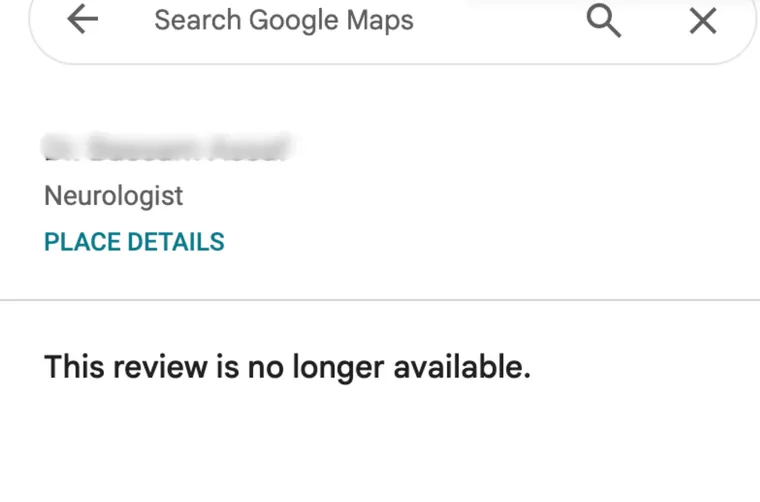
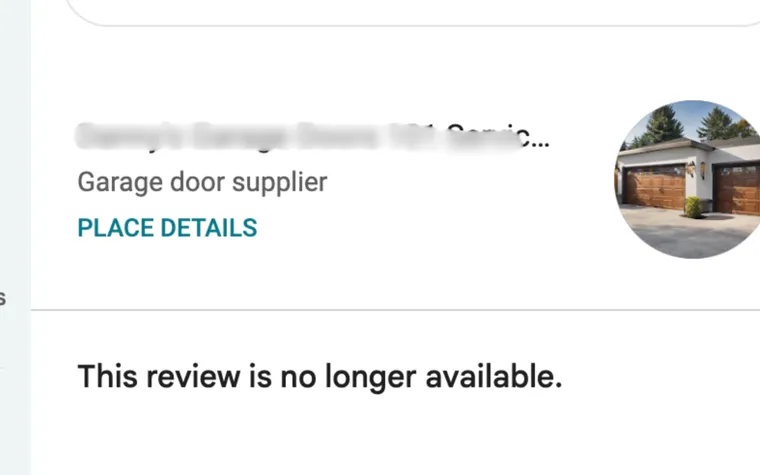
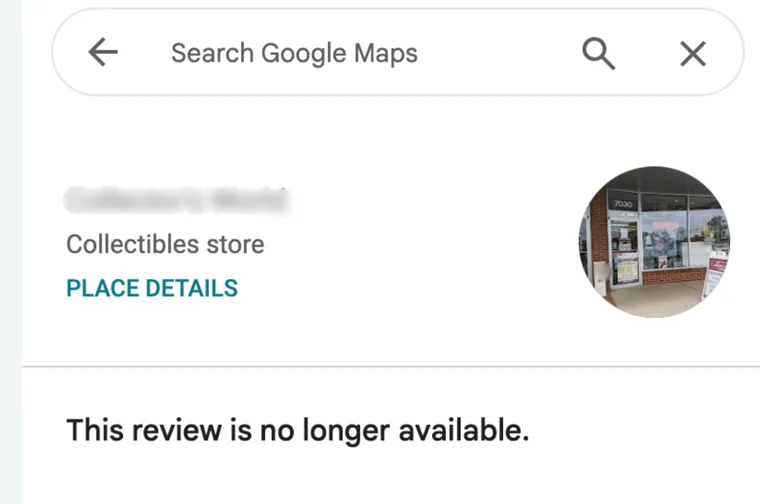
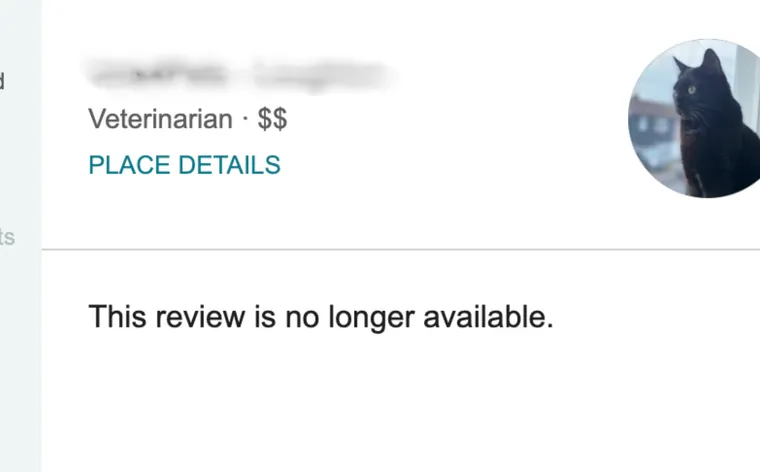
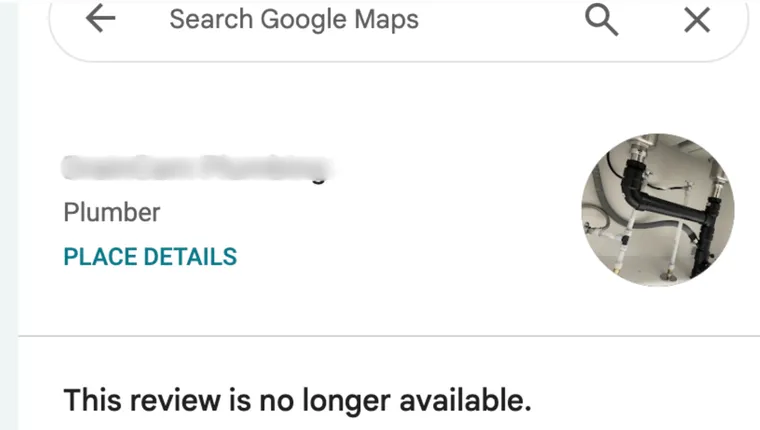
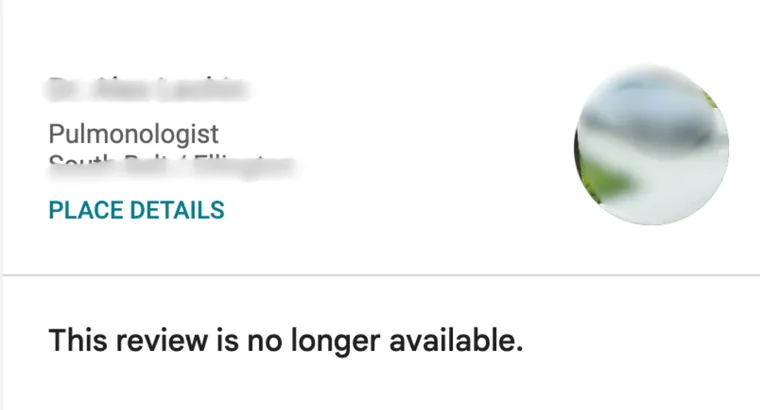
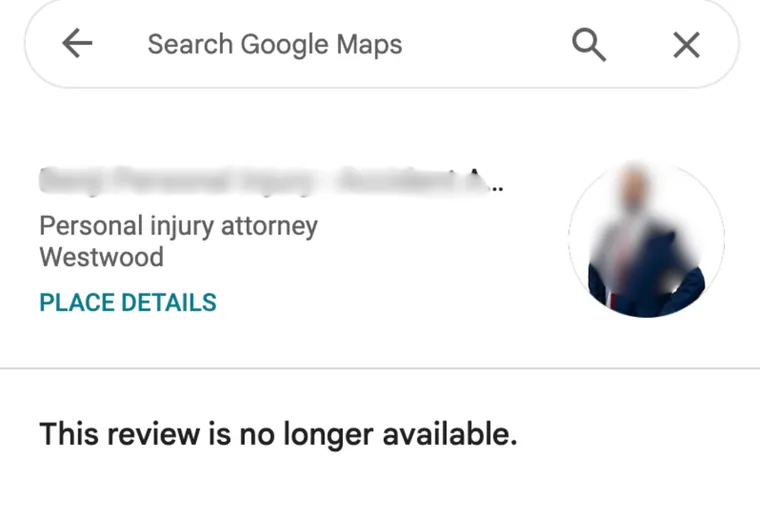
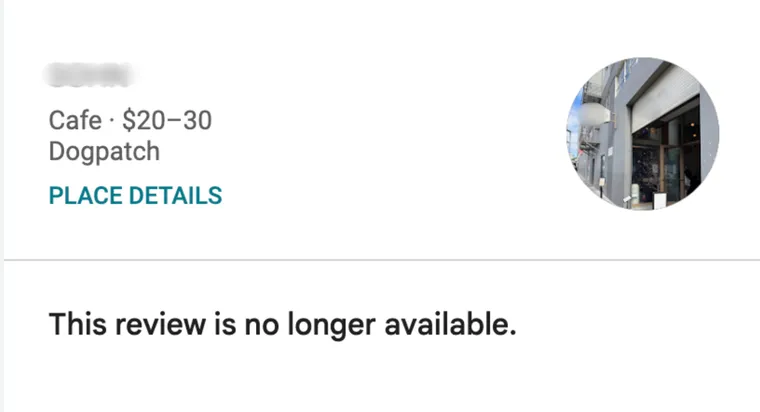
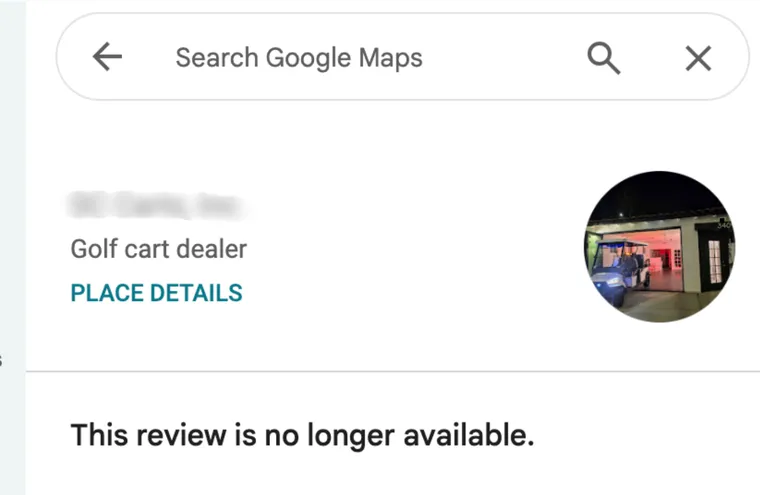
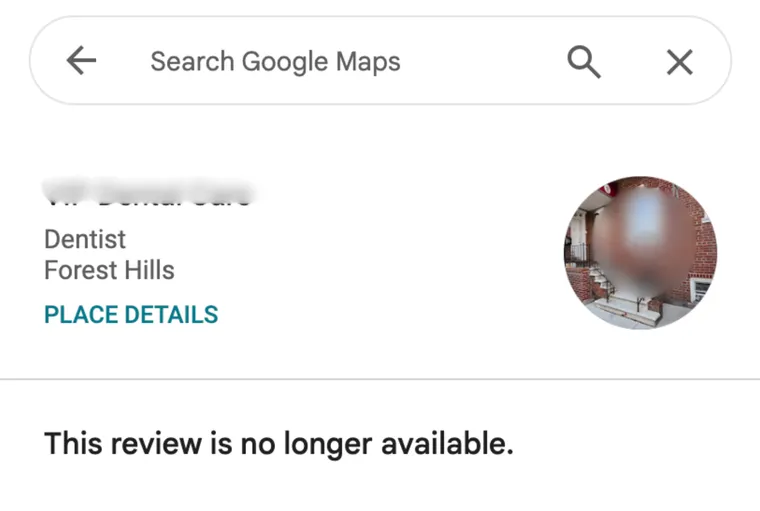
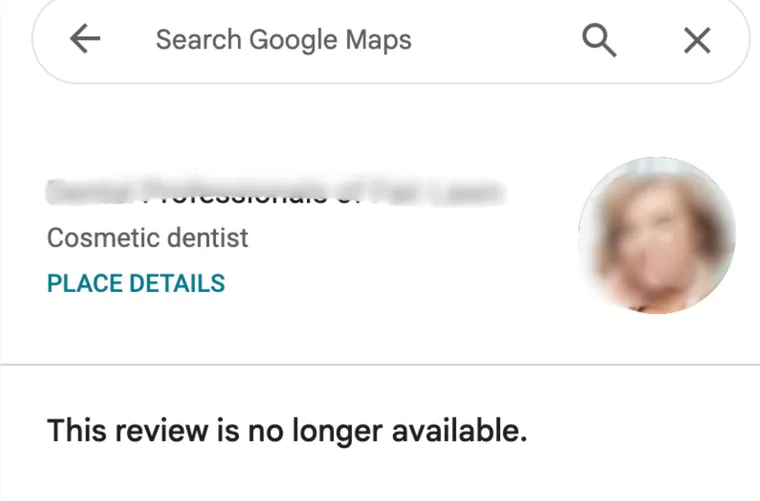
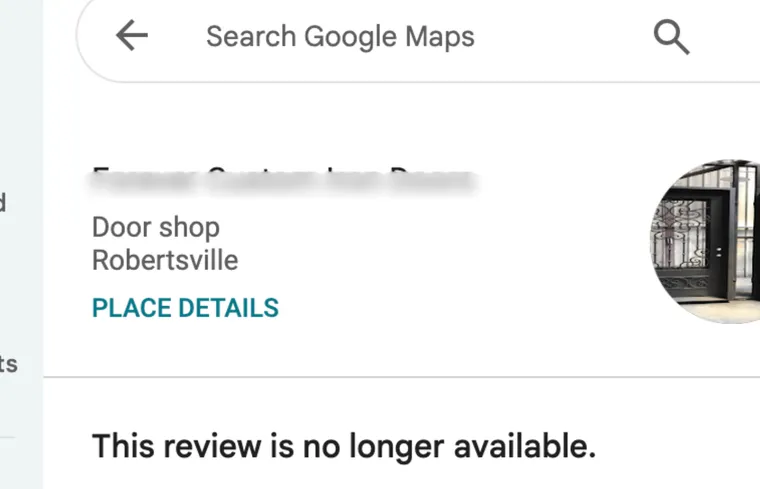
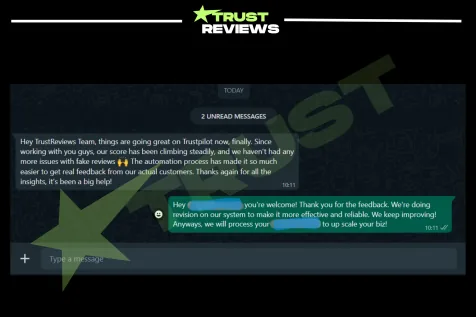
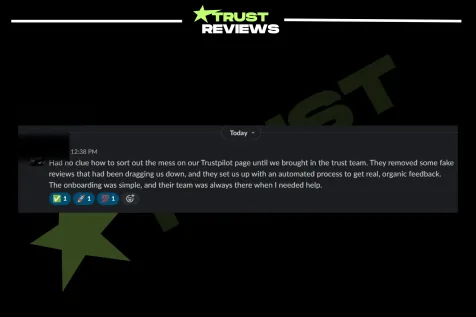
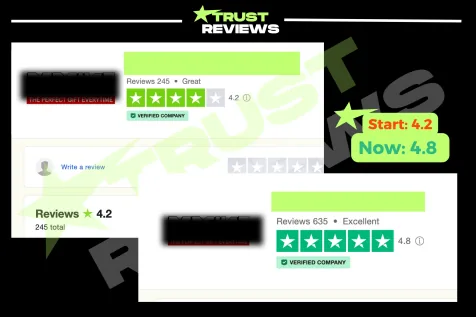
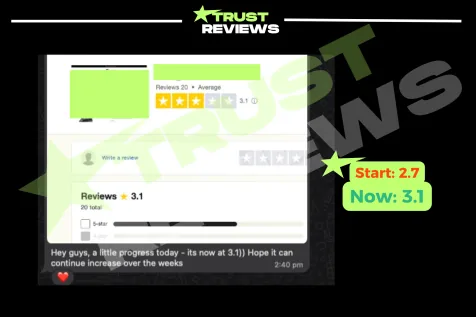
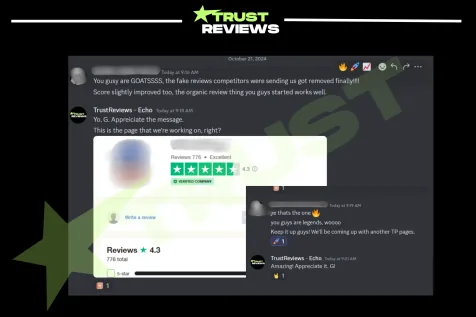
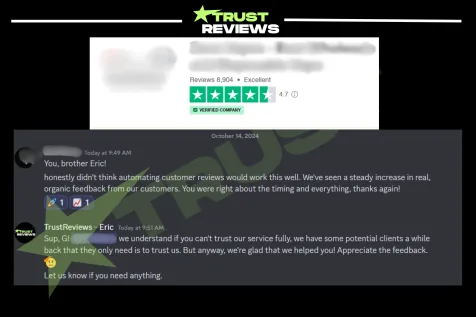
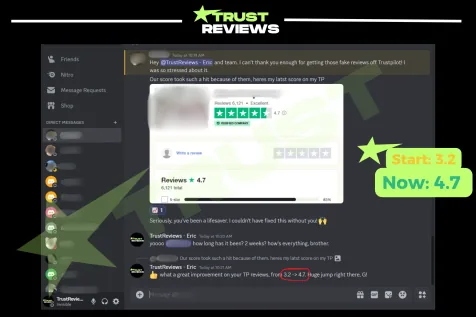
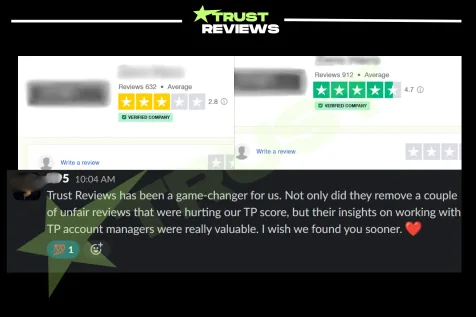
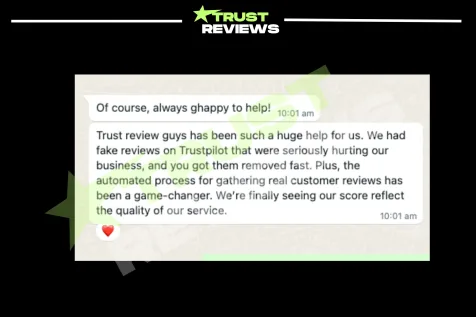
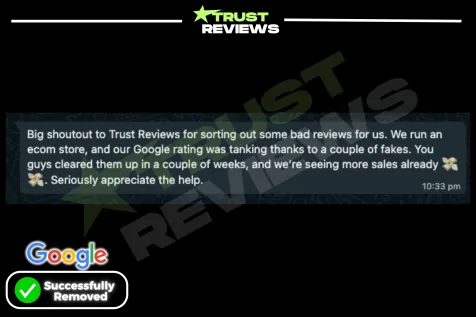
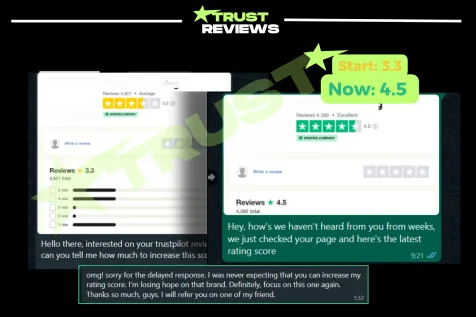
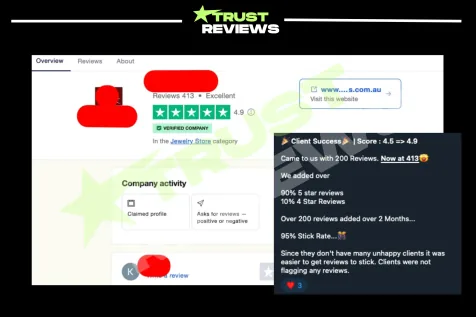
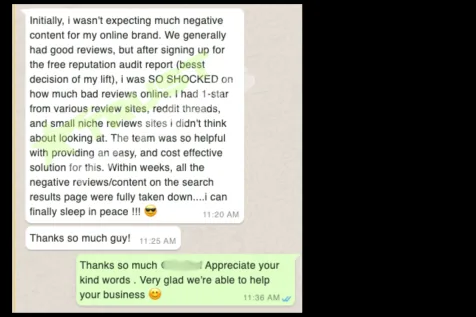
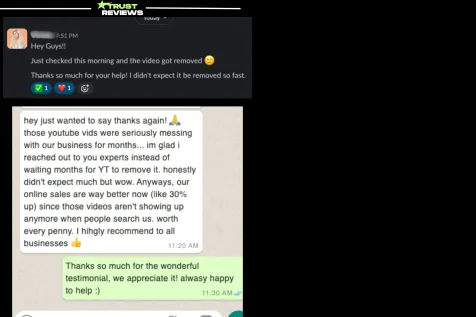
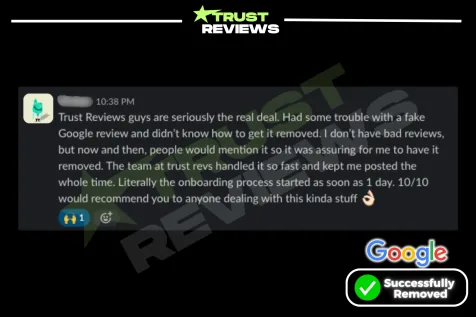
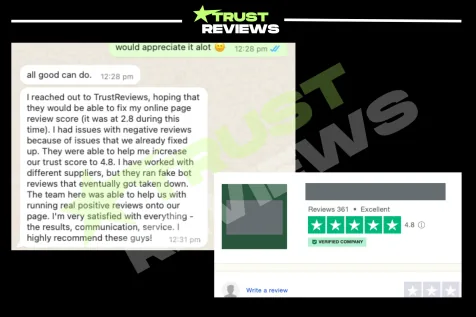
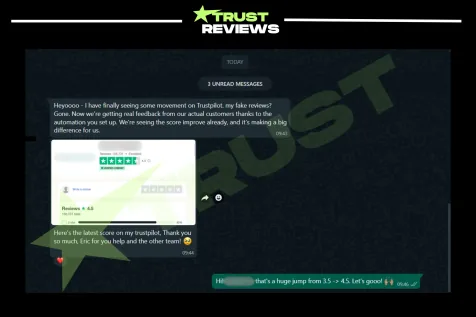
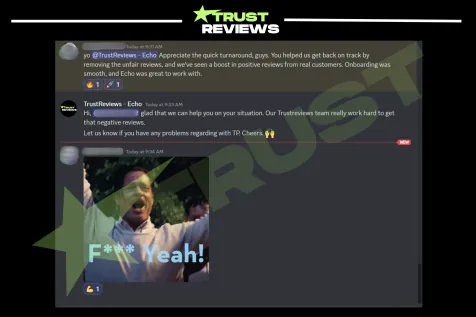
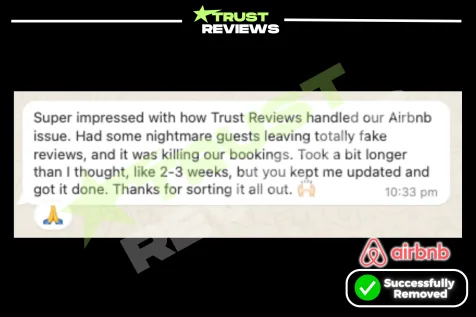
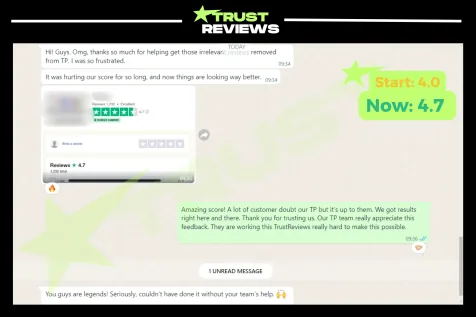
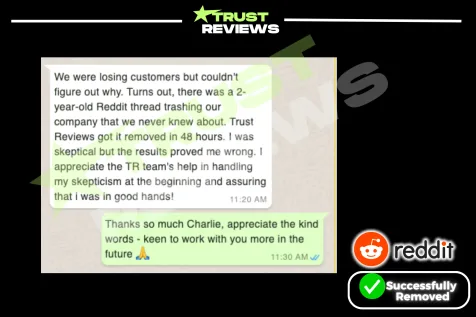
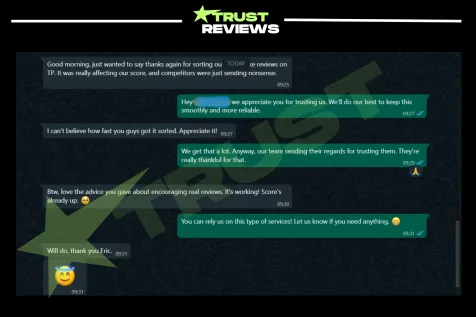
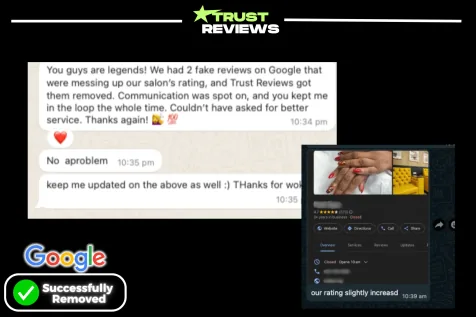
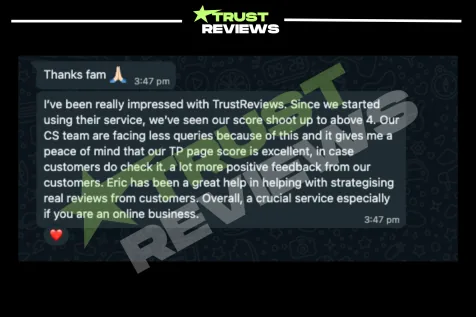
Screenshots of messages clients sent us. We keep every client’s work confidential.
Not on that ground alone. Google says it does not get involved in conflicts between businesses and customers, and Yelp says it does not take sides in factual disputes. A customer who writes that the final bill was higher than the estimate is describing their experience, and the review usually stays up. The review breaks Google’s policy when it accuses you of theft or fraud without proof, or posts a technician’s personal information. Reply to an honest complaint with the facts from the repair order.
Report each review from your Google Business Profile under the policy it breaks. A review from someone who never brought a car in is “not based on a real experience” under Google’s Fake engagement policy. A review from a former technician or a competing shop is a conflict of interest, which Google defines to include former employment and industry competitors. Google decides each report.
Sometimes. Google lets departments that operate as distinct entities have their own Business Profiles, with a different name and category; its own example is a Toyota dealer’s “Service & Parts” profile. If your service department has its own profile and a buyer posts there about the sales floor or financing, we can file the review with Google as not about that place. Google decides. If sales and service share one profile, a sales review is about that business and usually stays.
The rule (16 CFR Part 465, in force since October 21, 2024) bans fake reviews, undisclosed reviews from officers and managers, and getting a review removed with an unfounded legal threat, intimidation or a public false accusation. Reporting a review to the platform under its own policy is not one of the banned practices. The FTC has acted against dealers: in December 2024 it and Illinois settled with Leader Automotive Group, 10 dealerships that agreed to pay $20 million. The complaint said managers pushed employees to post fake positive Google reviews, and one dealership kept a buyer’s keys until she posted a five-star review.
They can. Google says a contributor may be told when their content is removed and may be able to appeal. Yelp says it will typically notify the reviewer when their review is removed. We do not contact reviewers, and we do not ask a platform who a reviewer is.
You pay for the ones that come down. The platform decides on each review, and a review it keeps up shows as Could not be removed in your TrustOS portal.
What if nothing comes down?HHS has fined or settled with three dental practices over replies
Pile-ons after a viral post or the news
A customer who disputes the quote
Your reply can disclose more than the review did
Reviews from the other side of a case
Reviews that name a stylist
Tenants reviewing a property manager over a deposit or eviction
Guests who threaten a review for a refund
Paste the link to your Google profile, or to the review or post, and we will tell you how to get started.
Send us the linkAsk a question or paste a link. We reply Monday to Friday, 9am to 5pm ET.
💬 Open the chat