 Google reviews
 Yelp reviews
 Facebook reviews
 Trustpilot reviews
 Tripadvisor reviews
 Glassdoor reviews
 Indeed company reviews
 Reddit posts
 Instagram posts
 TikTok videos
HHS has fined or settled with three dental practices over replies
4.4 → 4.7
Google rating after removal
We file fake and abusive reviews and posts with Google, Reddit, Trustpilot, Facebook and other sites, under each platform’s own content policy. Google is about 9 in 10 of our removals. The platform decides on each one, and you pay for the ones that come down.
Google reviews are 91% of the removals in our system and Reddit is 3.5%, mostly posts (TrustReviews data, October 2026). Trustpilot, Indeed, Facebook and YouTube make up most of the rest. Each platform has its own policy and its own report form. Choose one to see what it removes and how to report a review yourself.
Platforms remove reviews that break their published content policy and keep the rest. The grounds below are named as in Google’s Maps user-generated content policy. Of 1,170 Google reviews we removed and kept a copy of, 86.6% were one-star and 13.1% had photos. One in three was over a year old when we filed it, and the oldest was from 2013.
Reviews not based on a real experience: people who were never customers, accounts paid to post, and one person reviewing under several names. Reddit, Trustpilot and Facebook ban the same thing under their own rules.
A competitor, a former employee, or their family reviewing you. Google lists conflict of interest under Rating manipulation, and names current or former employment and industry competitors.
Google’s policy bans unsubstantiated allegations of unethical behavior or criminal wrongdoing. A review that calls you a thief or a fraud with nothing to support it can be reported under this ground.
Threats of harm against named staff, slurs, and doxxing. Google lists these under Harassment and Hate speech, and every major platform bans them.
Reviews that publish a staff member’s home address, private phone number or health details. Google removes personal information about a living person when its disclosure could cause harm.
Reviews about a different business, politics or a news story, and the same text posted again. Exact repeats are rare: 0.3% of one-star reviews on the 1,106 Google profiles we monitor, which belong to businesses that came to a removal company.
A burst of one-star reviews, sometimes followed by a demand for money to take them down. Google has a form to report review extortion and tells owners not to pay or engage.
An honest review of a real experience stays up, even a harsh one. Google’s policy allows content that describes a negative experience in a respectful manner, and Google says it does not get involved in conflicts between businesses and customers. A customer’s version of events that you dispute is usually not enough for removal. We file the reviews you choose, and the platform reads each one and decides.
We do not sell a rating, buy or post reviews, contact reviewers, or ask a platform who a reviewer is. We do not use methods that break a platform’s rules; reviews removed that way can be reinstated later. We do not take BBB complaints, product ratings on retail sites or personal photos, and we do not reinstate removed 5-star reviews.
Google is most of our work, so you do it in the TrustOS portal. For Reddit, Trustpilot, Facebook and other sites, you send us the links in the chat instead.
Connect your Google Business Profile in the TrustOS portal: search by name or paste a Google Maps link. Businesses with no public address can connect too. We read every review at once and show you each one rated 3 stars or less.
Every 1-star review is selected by default; add 2 and 3 star reviews if you want, and choose how many removals you want. You see the price and accept the terms in the app before anything is filed. For other sites, send us the links in the chat and your account manager agrees the price with you.
We screenshot each review, then our filing team files it with the platform under its own policy. The platform reads each one and decides. Some removals arrive months after filing, so we follow every filing to an outcome.
A person checks every removal before we count it; our software never marks a review removed by itself. We email you the review and its before-removal screenshot, and we stop when the number of removals you asked for is reached.
You pay for the ones that come down. On Google, you see the price and accept the terms in the app before anything is filed. For other sites, your account manager agrees the price with you first. No one can guarantee every review comes down, because the platform makes the final decision on each one.
Each one now reads “This review is no longer available.” Business names are blurred for privacy.
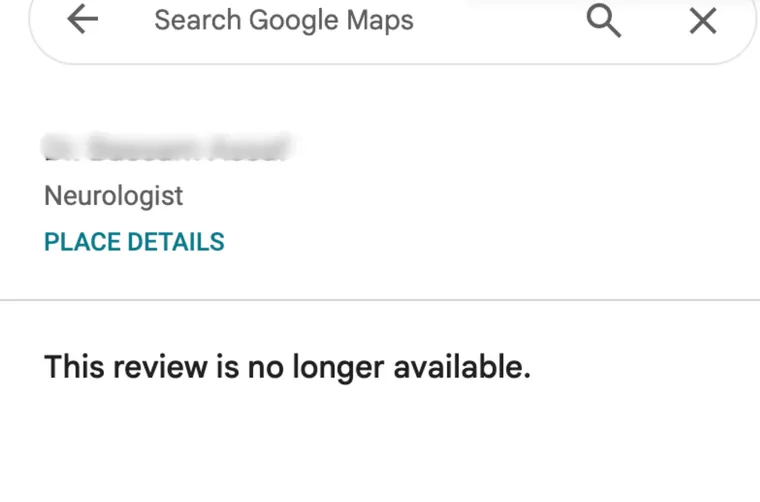
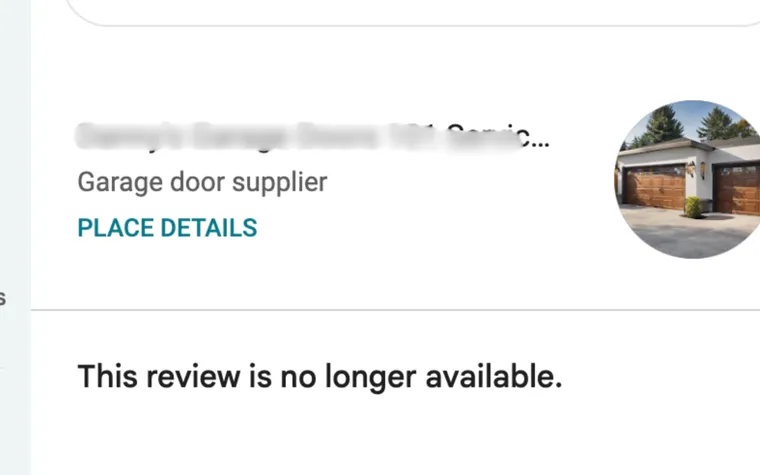
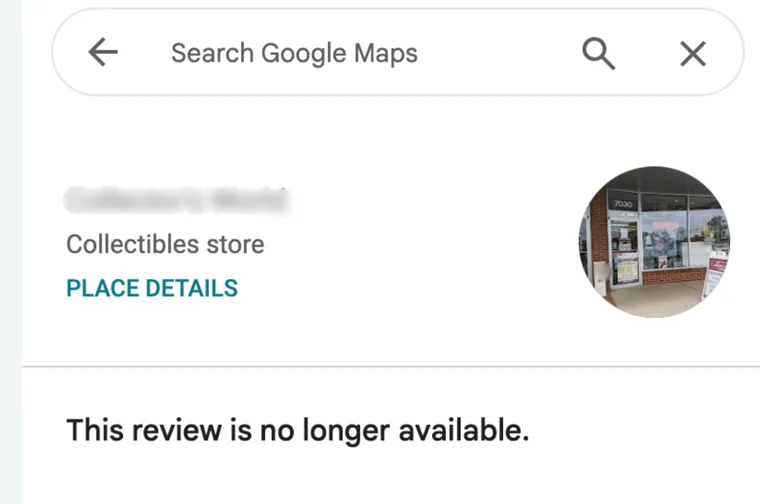
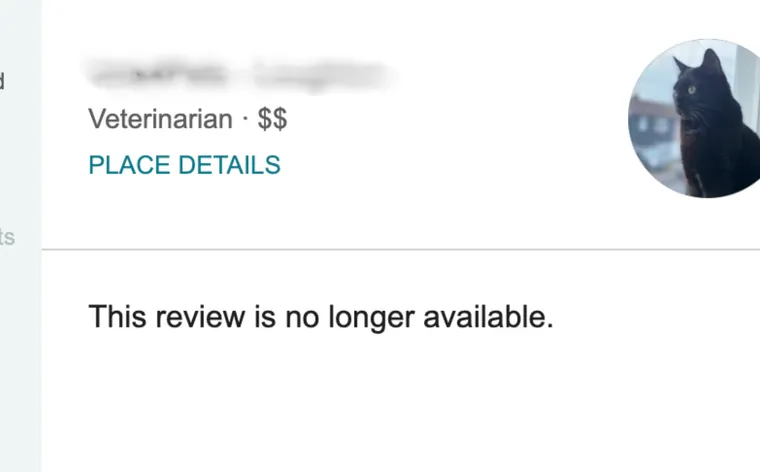
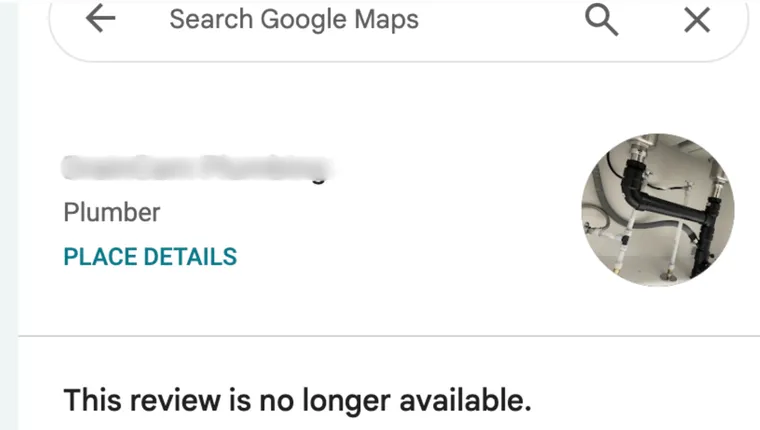
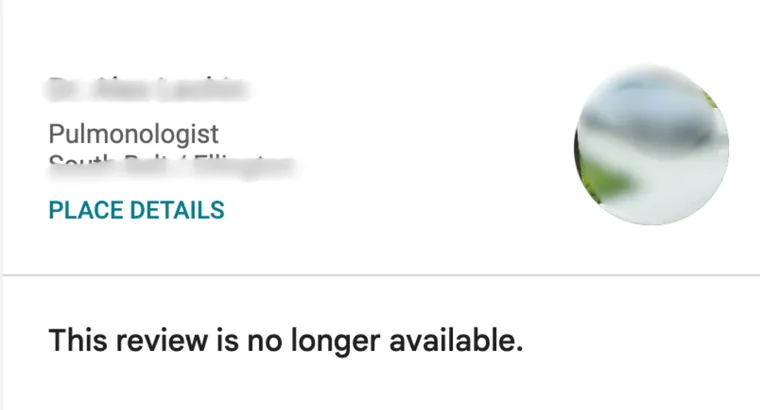
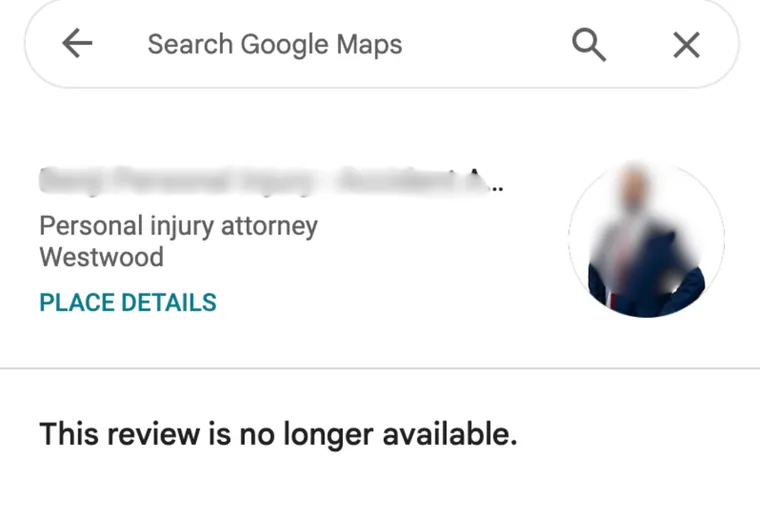
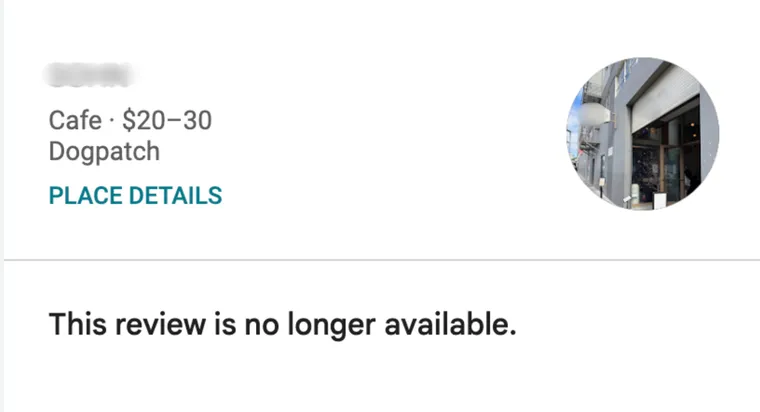
The TrustOS portal shows each review as Waiting to be sent, Being worked on, Removed, Could not be removed, or Stopped.
Before we charge for a removal, we email you the review and the amount. If something looks wrong, reply to that email.
A platform can restore a review it removed. If that happens, we file it again at no charge, and we never bill you twice for the same review.
We read every Google profile you connect about once a day. One email lists the new 1 and 2 star reviews across all your profiles. It comes with your first removal.
One person looks after your account and answers your emails and texts, Monday to Friday, 9am to 5pm ET.
If you have 10 or more bad reviews, the app offers a free 15-minute planning call with your account manager.
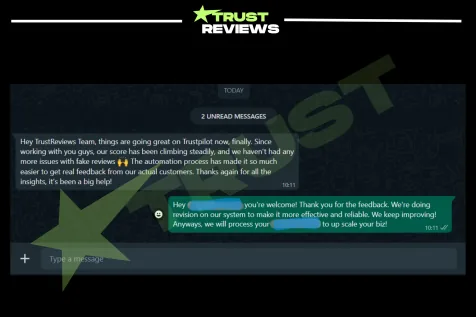
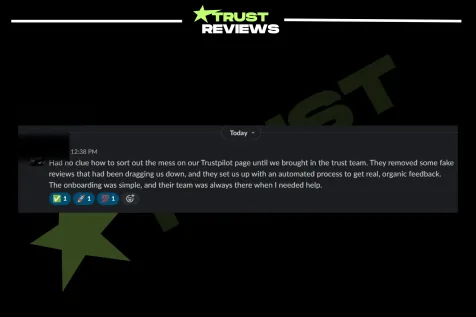
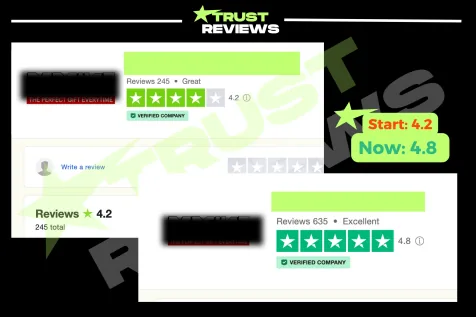
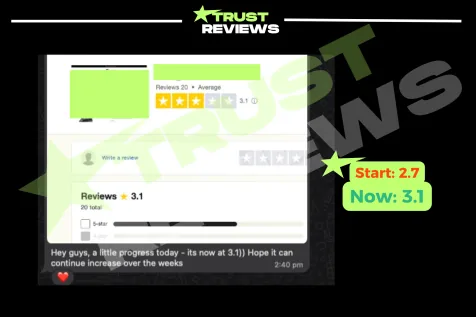
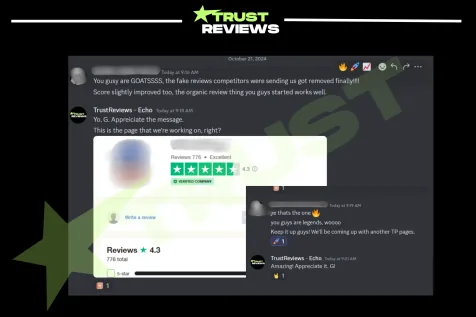
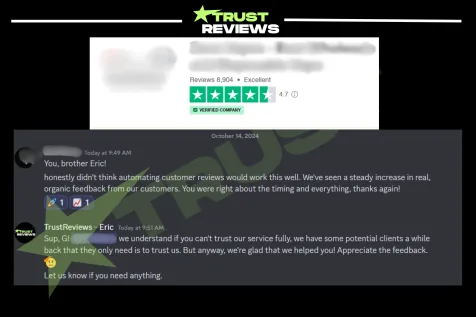
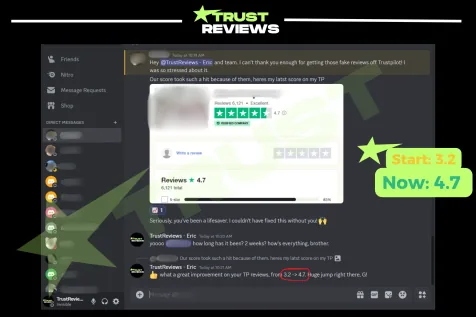
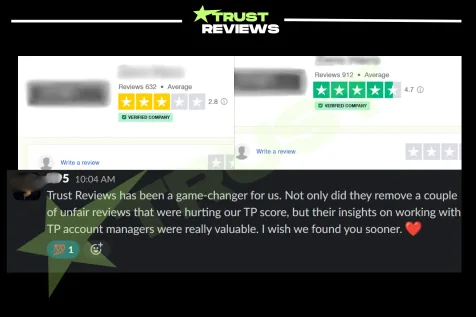
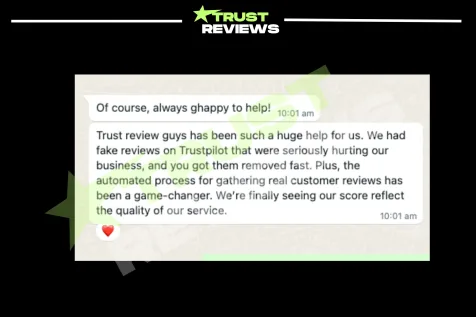
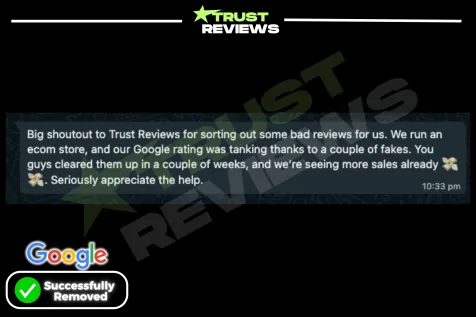
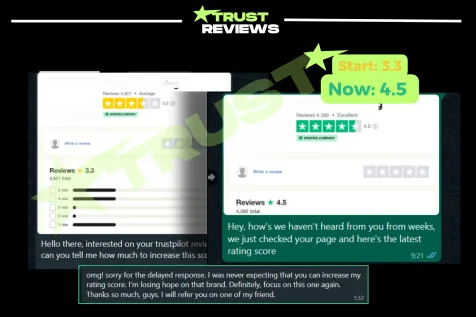
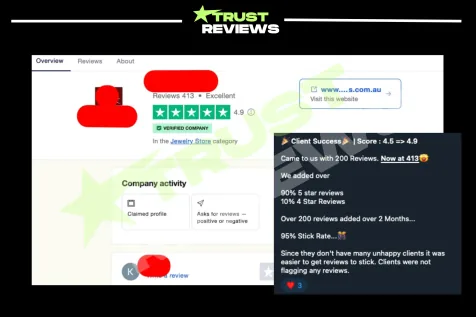
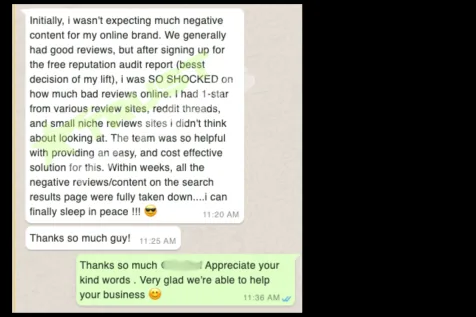
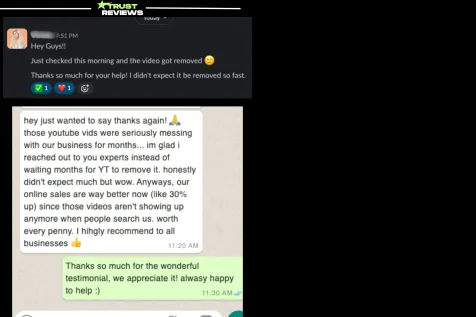
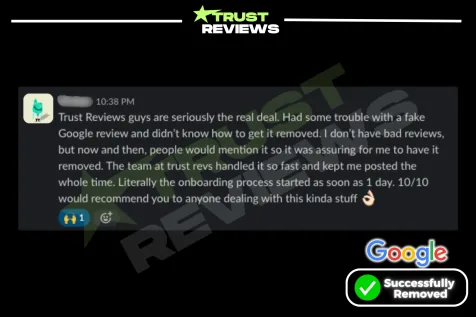
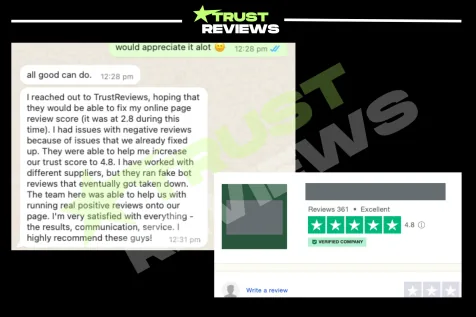
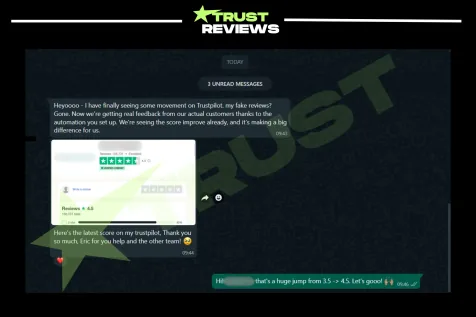
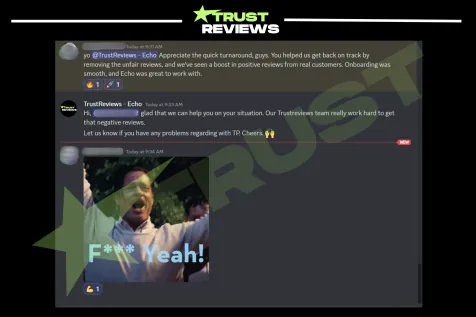
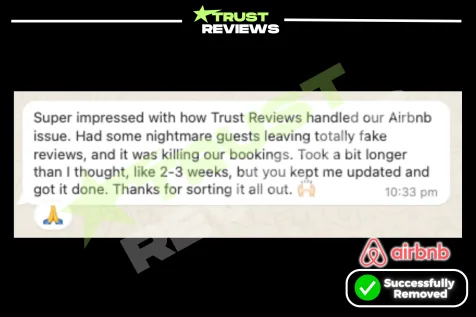
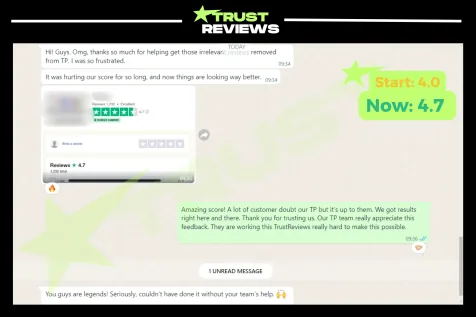
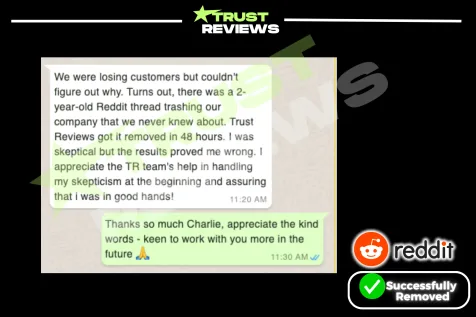
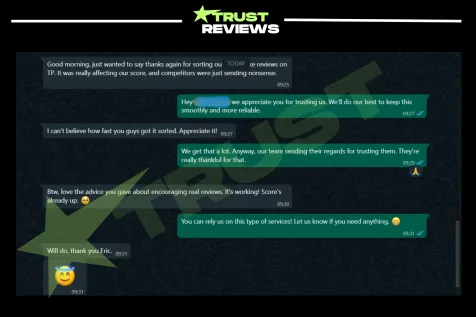
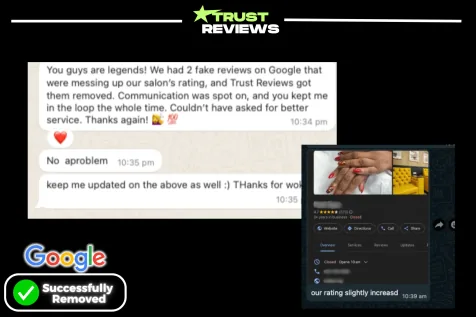
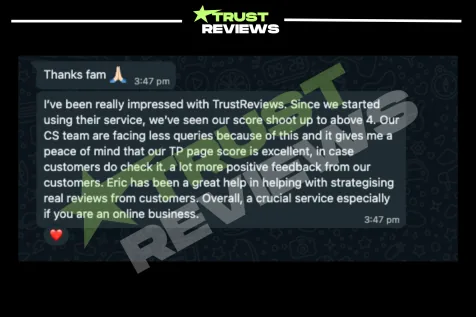
Screenshots of messages clients sent us. We keep every client’s work confidential.
HHS has fined or settled with three dental practices over replies
Pile-ons after a viral post or the news
A customer who disputes the quote
The final bill was higher than the estimate
Your reply can disclose more than the review did
Reviews from the other side of a case
Reviews that name a stylist
Tenants reviewing a property manager over a deposit or eviction
Guests who threaten a review for a refund
Reviews and posts that break the platform’s policy, such as fake, staff or competitor reviews, harassment and private details. The platform decides.
What reviews and posts can be removed?An honest review that breaks no platform rule stays up. We also do not take BBB complaints, retailer product ratings, personal photos or news articles.
What reviews and content can’t you remove?Yes. Reporting a review that breaks a platform’s rules is legal. The FTC’s rule bans using threats or intimidation to get a review taken down.
Is review removal legal?There is no set time. Google decides when it reviews each report, so we follow every filing until Google decides and email you when a review comes down.
How long does it take to remove a Google review?You pay for the ones that come down. The platform decides on each review, and a review it keeps up shows as Could not be removed in your TrustOS portal.
What if nothing comes down?No. We never contact the reviewer or ask a platform who they are. We report the review to the platform under its own policy, and the platform decides.
Will you contact the person who left the review?Yes. A platform can restore a review it removed, for example after the reviewer appeals. If a review we removed comes back, we file it again at no charge.
Can a removed review come back?Paying a company to report reviews that break Google’s policy is legal, and Google still makes every decision. A scam looks similar from the outside, because legitimate services and extortionists both say you pay after removal. The difference shows in seven places: who contacted whom, what access they ask for, what they promise, how they say removal happens, how they want to be paid, what the written terms say and whether they offer to post or pressure reviews. This guide gives the checks, a comparison table, Google’s and the FTC’s own warnings, and what to do if you have already been targeted.
A former employee may not review their old employer on Google. Google’s Maps user-generated content policy names “current or former employment” as a conflict of interest, under its Rating manipulation and Misrepresentation rules. Google removes these reviews when it can see the link, so the work is in showing it with public information. Indeed and Glassdoor are different: they exist for employees to review employers, and an honest review there stays up. This guide covers Google’s exact wording, the evidence that shows the link, reviews from the employee’s friends and family, what the National Labor Relations Act stops you from doing, and when to call an employment lawyer.
Google reviews disappear when Google’s filter removes them, when the reviewer deletes the review or loses their account, when Google restricts your profile, when profiles are merged or moved, or when a display problem hides them. Google removes reviews of every star rating, with or without a report, and says it does not restore reviews it removed for a policy violation. This guide explains each cause, what you see, and what you can still do.
A 1-star rating with no text breaks none of Google’s content rules by itself, because there are no words to judge. Google can still remove it when you can show something about the reviewer: that the rating came in a burst of fake ratings, from someone with a conflict of interest, or from someone who was never a customer. This guide covers what Google’s policy says, which grounds still apply, how a pattern across several reviews changes a report, and what to do if the rating stays up.
Do not pay, and do not reply to the demand. Save every message and every review first, then report the extortion to Google with its merchant extortion report form and report each review as fake engagement. Google added that form in November 2025, and in April 2026 it said it now pauses new reviews on a profile under attack and alerts the owner. This guide covers the two kinds of review extortion, how to tell an attack from an ordinary run of bad reviews, the evidence to keep, when to go to the police or the FBI’s IC3, and what the FTC Consumer Review Rule says about threats.
On the Google profiles of the local businesses we monitor, 5.6% of reviews are one-star, about 1 in 18, and 87.8% are five-star. The median profile has 121 reviews, a 4.75 average and 7 reviews at three stars or below. This study gives those figures and six more findings, each with its sample and dates. The data covers 306,017 reviews on 1,106 Google Business Profiles, read in October 2026. The businesses came to a review removal company, so they are not a random sample of Google.
Google’s Reviews Management Tool shows a reported review as Decision pending, Report reviewed - no policy violation, or Escalated - check your email for updates. Each review gets one appeal, and one appeal can hold up to 10 reviews. The final decision comes by email, and a review that stays up keeps the Escalated status. After that, an owner can still report an edited review, report the reviewer’s profile, use Google’s extortion or legal forms where they fit, and reply.
You cannot delete a review someone else left on your Google Business Profile. Only Google can, and only when the review breaks its Maps user-generated content policy or the law. You report the review from your profile or the Reviews Management Tool, and you get one appeal if Google keeps it. Two separate forms cover extortion and unlawful content. This guide sets out which route fits which review, the evidence to collect, and Google’s current steps for each route.
Report a fake Google review from your Business Profile or in Google’s Reviews Management Tool, and choose the policy it breaks. Google removes reviews that break its Maps user-generated content policy, not reviews that are only negative. This guide lists the signs of a fake review with how much each one proves, shows what normal looks like across 306,017 reviews on 1,106 Google profiles, and covers the report, the one appeal, extortion and the FTC rule on fake reviews.
Google removes a review only when it breaks a heading in its Maps user-generated content policy, such as Fake Engagement, Rating Manipulation, Offensive content, Personal information or Off-topic. A real customer’s negative review, written respectfully, stays up however unfair it feels. This guide lists every heading on Google’s Prohibited & restricted content page as it reads in October 2026, with a realistic example review and how easy a break of each one is for Google to see. It also covers the rules on employee names and the changes Google made in June 2025, February 2026 and September 2026.
Reply to a negative review in three to five calm sentences written for the next customer: thank the reviewer, name the specific problem, say what you changed and give a named contact. Never confirm that the reviewer is a patient or client, never call them a liar without proof, and never threaten a lawsuit you have no basis for. Health providers have paid HHS settlements over review replies, bar rules limit what lawyers may say, and the FTC Consumer Review Rule bans groundless legal threats used to get a review removed. A reply does not stop you reporting a review that breaks the platform’s rules. This guide gives example replies for five situations and the steps on Google, Yelp, Facebook and Trustpilot.
Google bans reviews that a competitor posts to hurt your business, so a fake review from a rival can come down. Google has to see the link, though, not just your suspicion. This guide covers Google’s exact rules, the signs that point to a competitor, what our data says about clusters and who writes negative reviews, the public evidence to save, how to report and appeal, and the legal routes: the Lanham Act, state unfair competition and defamation claims, and the FTC Consumer Review Rule.
Yes. You can sue the person who wrote a fake review if it states a false fact about your business and that fact harmed you. You cannot sue Google, Yelp or another platform for hosting it, because Section 230 of the Communications Decency Act protects them. In 12 of the 15 states with the most small businesses, you have one year from the date of the review to file. In 9 of those 15 states, an anti-SLAPP law makes you pay the reviewer’s legal fees if the court finds the review is protected speech and dismisses your case. Report the review to the platform first, and sue only when the review states a provably false fact, you can show a loss, and you can afford to find the reviewer.
Paste the link to your Google profile, or to the review or post, and we will tell you how to get started.
Send us the linkAsk a question or paste a link. We reply Monday to Friday, 9am to 5pm ET.
💬 Open the chat