 Google reviews
 Yelp reviews
 Facebook reviews
 Trustpilot reviews
 Tripadvisor reviews
 Glassdoor reviews
 Indeed company reviews
 Reddit posts
 Instagram posts
 TikTok videos
HHS has fined or settled with three dental practices over replies
4.4 → 4.7
Google rating after removal
Most salon reviews name a stylist, and most of those stay up. A review can come down when it breaks the platform’s policy: a former stylist or booth renter reviewing you, a stylist’s last name or face posted without consent, or a person who never sat in your chair. We file all your bad reviews. You pay for the ones that come down.
Google’s Maps user-generated content policy treats a person’s full name, last name or face in a photo, posted without consent, as personal information. Most salons introduce staff by first name only, so “Jess was rude” names a person but shares nothing that policy protects. A review that adds her last name, her home address or claims about her sex life can be reported under Google’s Personal information or Harassment rules. If a stylist books clients under her full name, Google may treat her as a public-facing professional, and her name is allowed.
Google’s policy names “current or former employment” and “a contractual or consultory relationship” as a conflict of interest, so a review from a former stylist or a booth renter can be reported. Yelp’s guidelines also bar reviews of competitors in your industry, which a stylist who opens down the street now is. A client who really sat in your chair and followed the stylist is describing a real visit, and that review usually stays.
A person charged a no-show or late cancellation fee had a real dealing with you, so a review about the fee usually stays. If the same person describes a cut, color or treatment they never received, that review is not based on a real experience, which Google’s Fake engagement policy covers, and your booking records show it. Do not answer with a threat. The FTC’s Consumer Review Rule (16 CFR 465.7) bans unfounded legal threats and intimidation used to get a review removed, and the Consumer Review Fairness Act voids booking terms that bar or penalise reviews.
A client who posts a photo of their own hair, nails or skin is showing their own experience, and Google allows it. A photo whose subject is your stylist’s face, or another client in the next chair, falls under Google’s Personal information rule when it is posted without consent, and Yelp asks reviewers not to post close-up photos of other patrons without permission. Of the Google reviews we have removed with a stored copy, 13.1% carried photos (1,170 reviews, TrustReviews data, October 2026).
A salon’s income comes from clients who rebook, so a client lost to a bad review costs more than one visit. An illustrative example, not a measured result: a salon with 450 visits a month at an $85 average ticket takes in about $38,000 a month. A client who rebooks every six weeks comes in about eight times a year, so one lost new client costs about $680 a year.
Luca’s Harvard Business School study of independent Seattle restaurants on Yelp found that each extra star brought 5 to 9 percent more revenue. Your business may differ. Change the numbers to match yours.
Estimate only. Luca, “Reviews, Reputation, and Revenue: The Case of Yelp.com”, Harvard Business School, 2016. The median rating across the 1,106 Google profiles we monitor is 4.75 (TrustReviews data, October 2026; these businesses came to a removal company, so they are not a random sample).
Connect your Google Business Profile in the TrustOS portal: search by name or paste a Google Maps link. Businesses with no public address can connect too. We read every review at once and show you each one rated 3 stars or less.
Every 1-star review is selected by default; add 2 and 3 star reviews if you want, and choose how many removals you want. You see the price and accept the terms in the app before anything is filed. For other sites, send us the links in the chat and your account manager agrees the price with you.
We screenshot each review, then our filing team files it with the platform under its own policy. The platform reads each one and decides. Some removals arrive months after filing, so we follow every filing to an outcome.
A person checks every removal before we count it; our software never marks a review removed by itself. We email you the review and its before-removal screenshot, and we stop when the number of removals you asked for is reached.
You pay for the ones that come down. On Google, you see the price and accept the terms in the app before anything is filed. For other sites, your account manager agrees the price with you first. No one can guarantee every review comes down, because the platform makes the final decision on each one.
Two weeks after a senior colorist left to open her own studio, the salon got six one-star reviews in four days. Three named the owner and called her a thief, and none of the reviewers were in the salon’s booking system. The rating fell from 4.8 to 4.4.
We filed all six reviews with Google under its own policy, and Google removed all six. The rating went back to 4.8.
Each one now reads “This review is no longer available.” Business names are blurred for privacy.
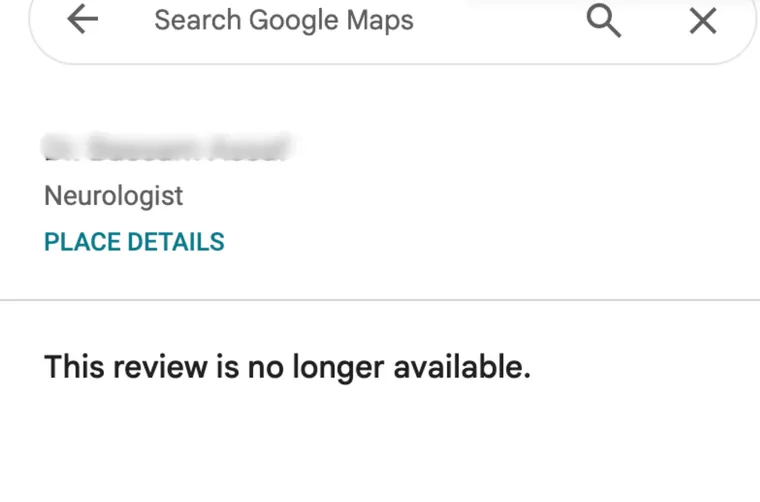
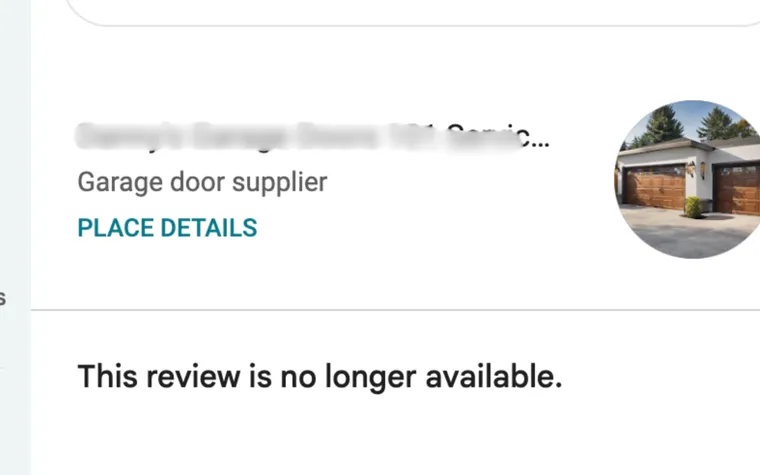
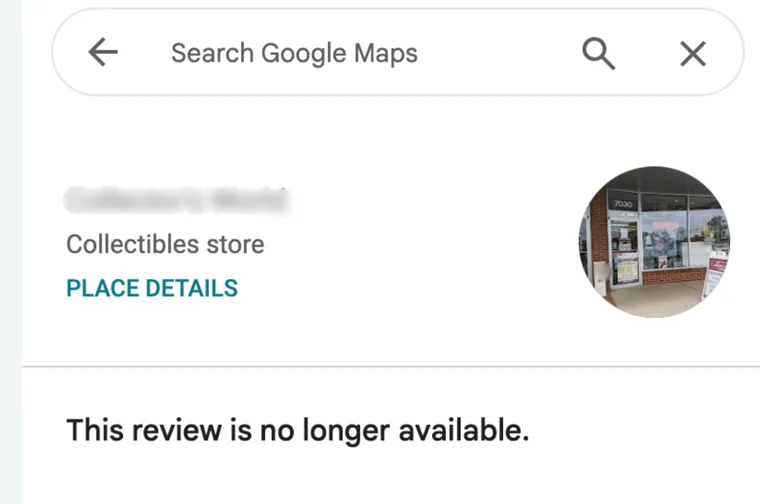
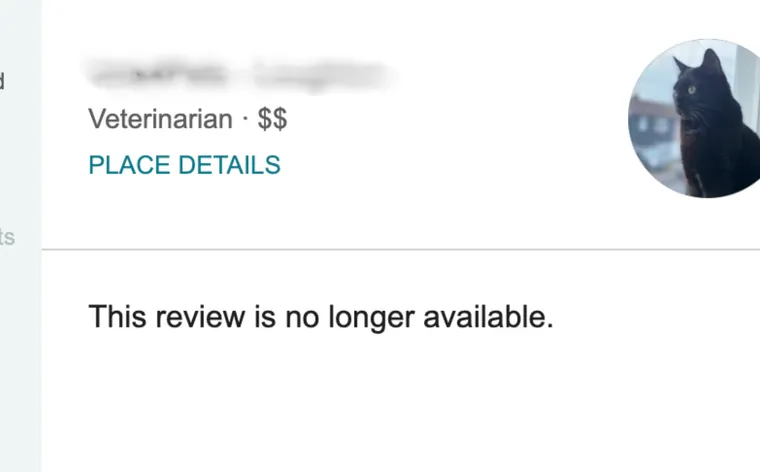
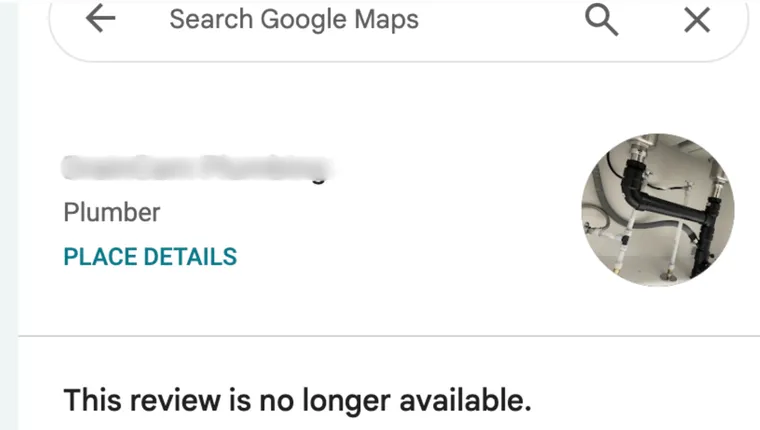
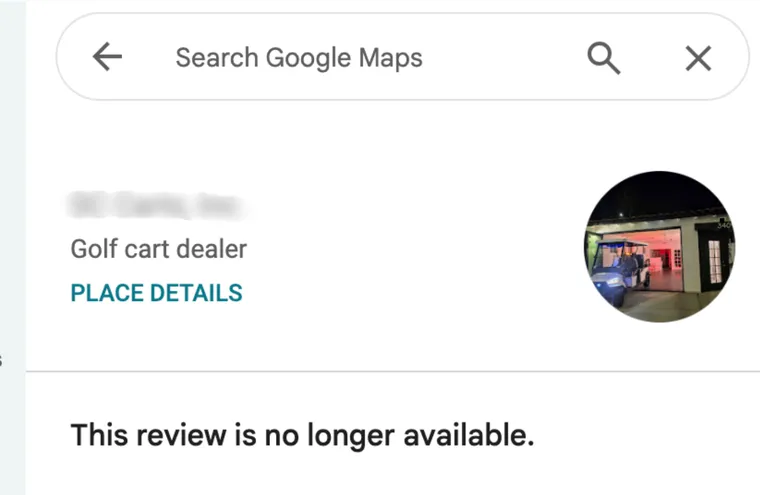
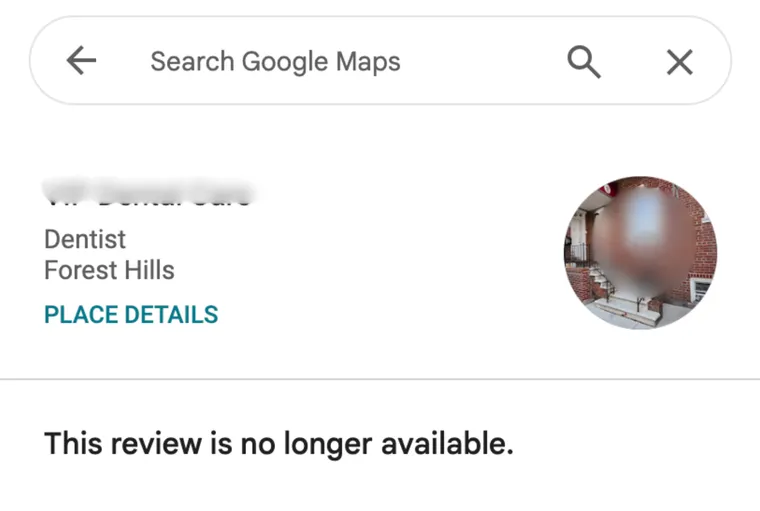
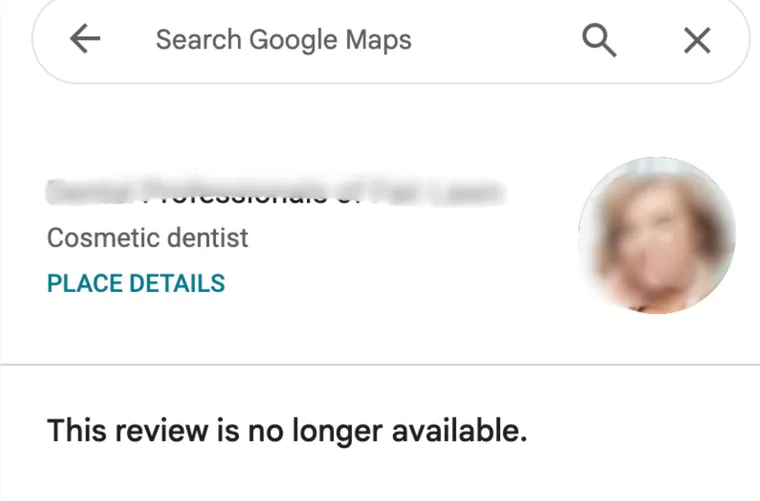
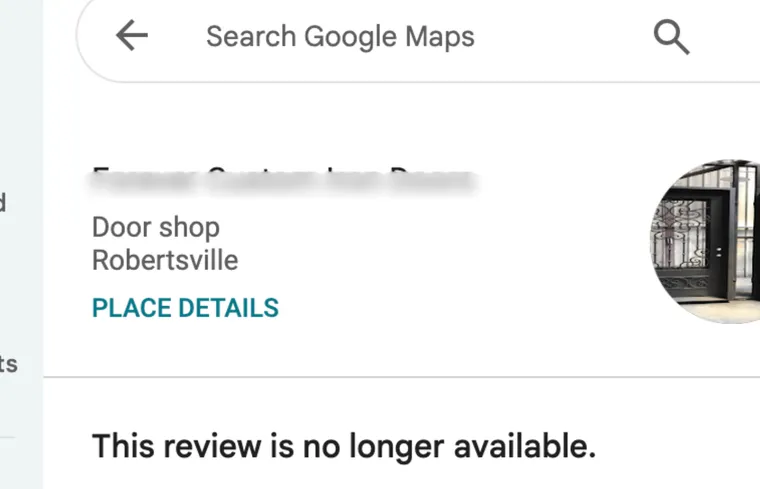
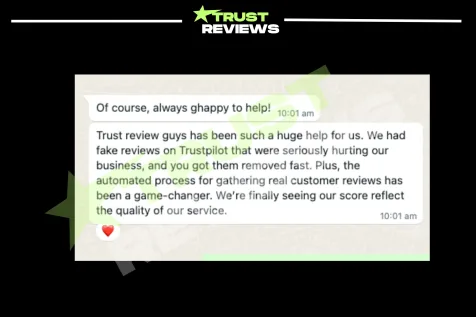
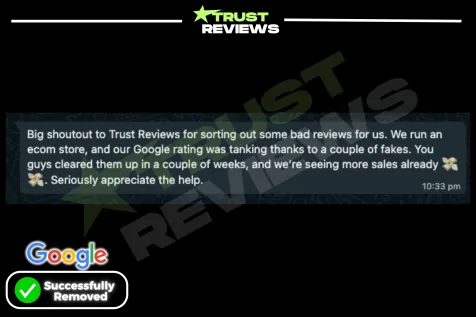
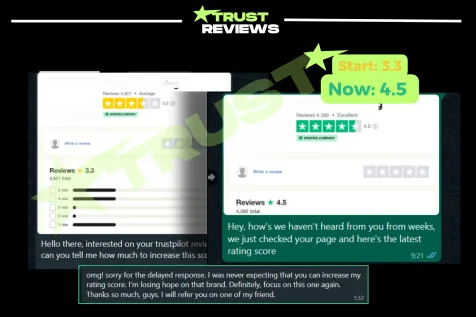
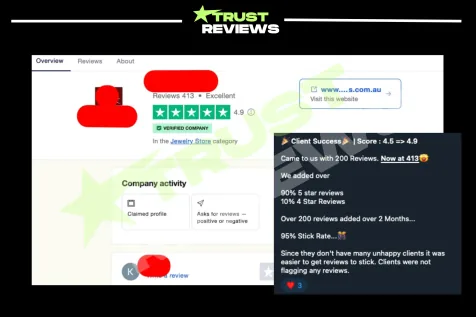
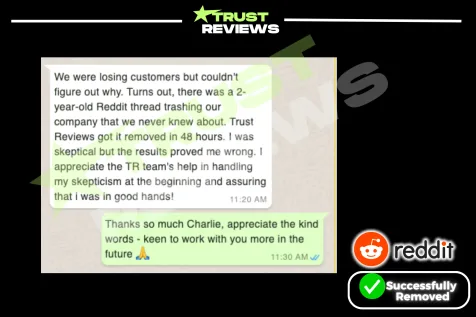
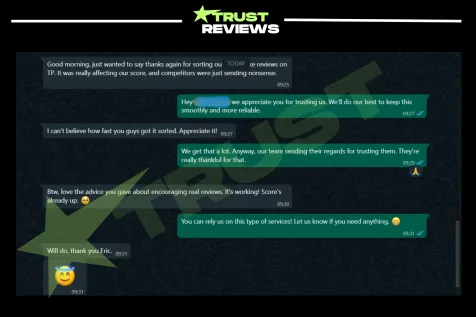
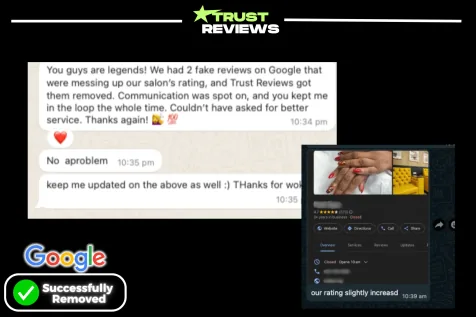
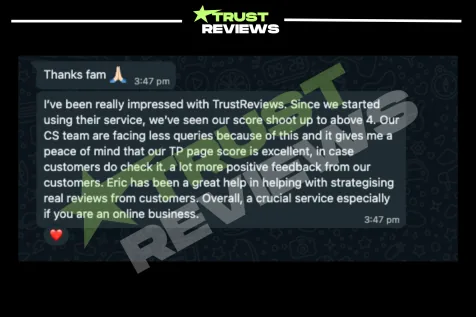
Screenshots of messages clients sent us. We keep every client’s work confidential.
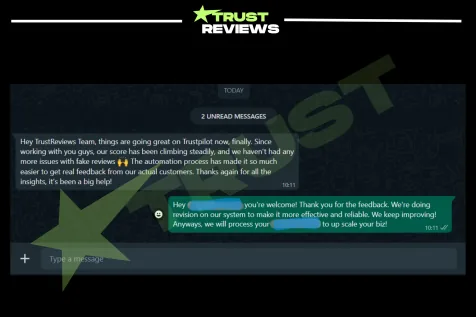
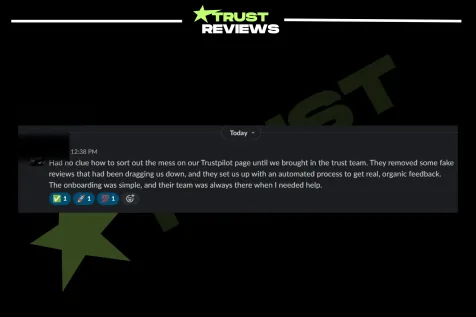
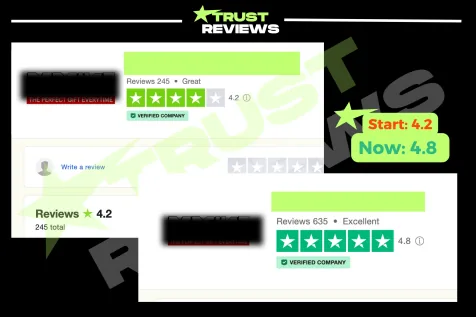
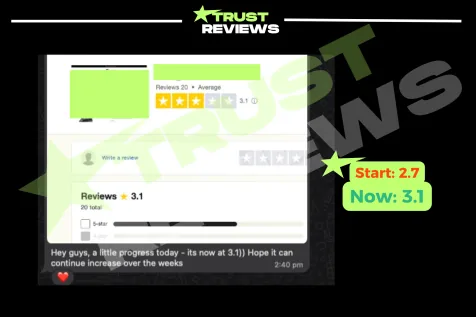
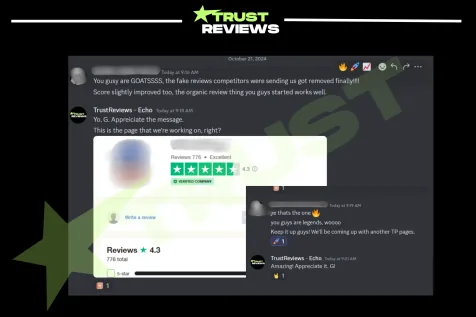
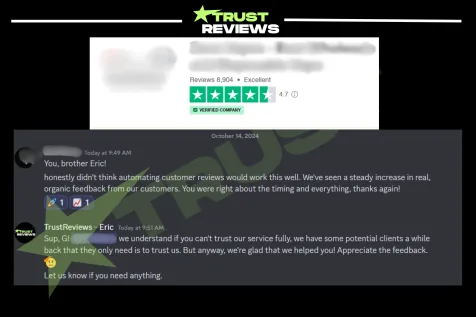
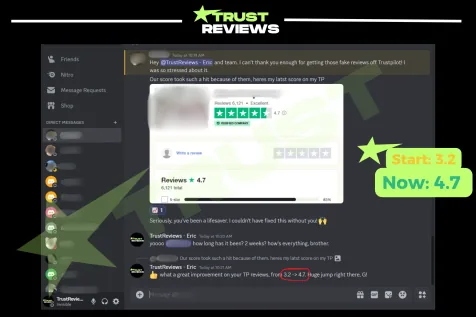
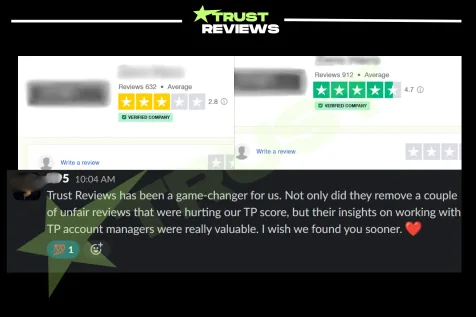
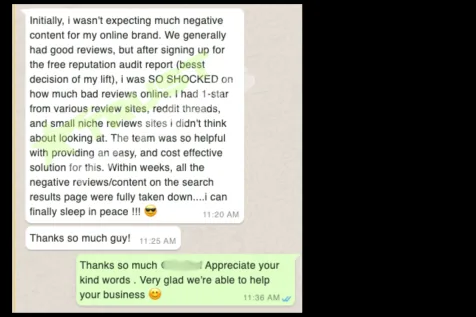
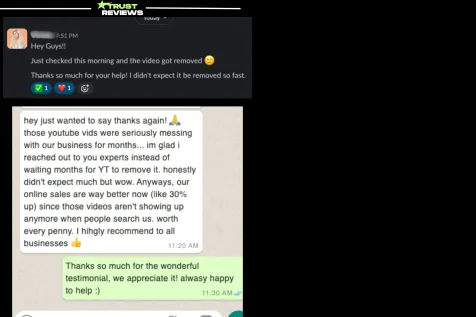
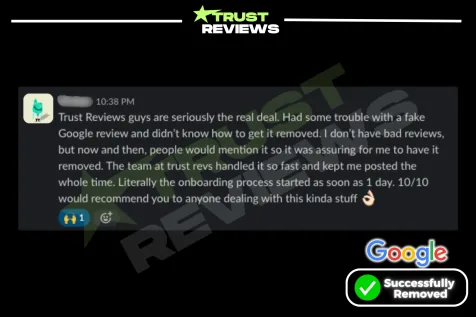
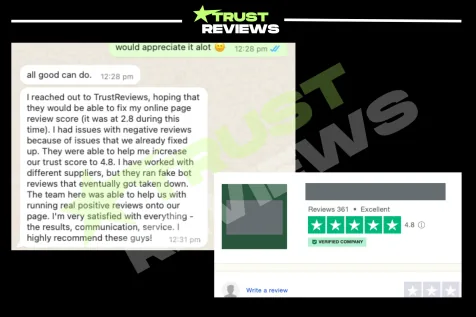
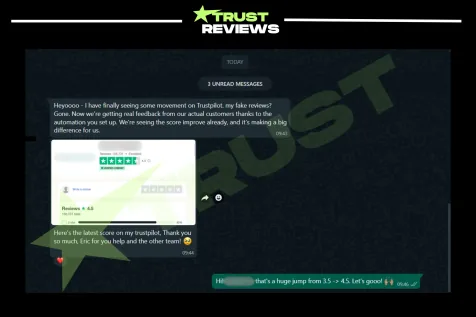
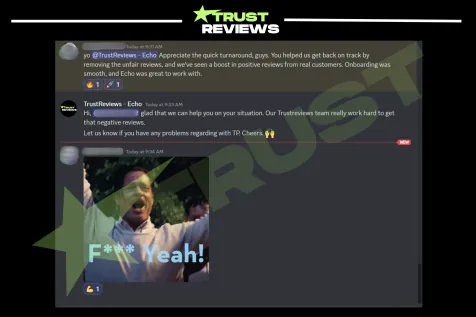
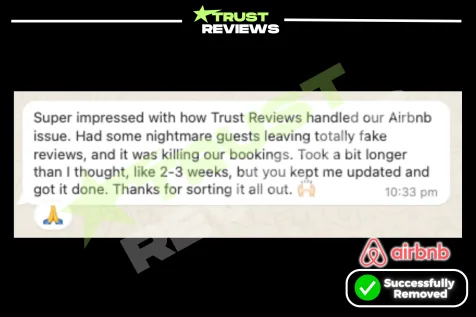
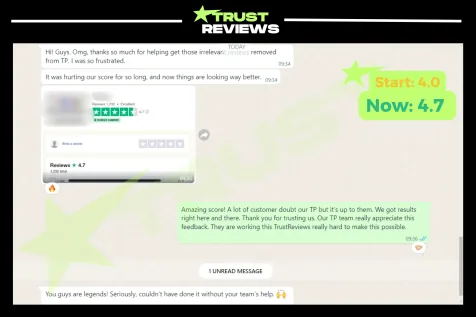
Usually not. A real client describing their own visit is a real experience under Google’s and Yelp’s rules, even when the review is harsh, and the platform decides. A calm public reply that offers a fix is the better answer.
Yes, if your med spa is a HIPAA covered entity. Under 45 CFR 160.103, a health care provider is covered when it sends health information electronically in a standard transaction, such as an insurance claim. A covered provider whose reply confirms that the reviewer was a patient, or names a treatment, can disclose protected health information. Reply without confirming the person was a client, and ask your own counsel whether HIPAA applies to you. Our medical practices page covers HIPAA and review replies in more detail.
Booking apps run their own review systems, with their own rules. Fresha, for example, invites a review after each completed appointment, and its help page says only the client can delete it and the review stays even if the appointment is refunded. Use the app’s own report option for those. Instagram has no star reviews: a complaint is a comment, which you can delete on your own post, or a post on another account, which you report to Instagram. We file on Google and the other platforms listed on this page.
Only if they break the platform’s policy. A review about a stylist who has since left still describes a real visit, so it usually stays. Age alone does not stop a filing: 1 in 3 of the Google reviews we have removed was more than a year old when we filed it, and the oldest was posted in 2013. Newer reviews come down more easily than old ones, so file a new review early.
The reviewer may. Google’s help page says a contributor may be informed when their content is removed for a policy violation, and may be able to edit and repost it or appeal. We never contact reviewers and never ask a platform who they are. Your staff only hear about it if you tell them.
You pay for the ones that come down. The platform decides on each review, and a review it keeps up shows as Could not be removed in your TrustOS portal.
What if nothing comes down?HHS has fined or settled with three dental practices over replies
Pile-ons after a viral post or the news
A customer who disputes the quote
The final bill was higher than the estimate
Your reply can disclose more than the review did
Reviews from the other side of a case
Tenants reviewing a property manager over a deposit or eviction
Guests who threaten a review for a refund
Paste the link to your Google profile, or to the review or post, and we will tell you how to get started.
Send us the linkAsk a question or paste a link. We reply Monday to Friday, 9am to 5pm ET.
💬 Open the chat