 Google reviews
 Yelp reviews
 Facebook reviews
 Trustpilot reviews
 Tripadvisor reviews
 Glassdoor reviews
 Indeed company reviews
 Reddit posts
 Instagram posts
 TikTok videos
HHS has fined or settled with three dental practices over replies
4.4 → 4.7
Google rating after removal
We file the reviews you choose with Google, Yelp and Tripadvisor under each platform’s own policy: pile-ons after a viral post, threats for a free meal, delivery-app complaints and false food-poisoning claims. The platform decides. You pay for the ones that come down.
A video, a news story or the owner’s politics brings one-star reviews from people who have never eaten with you. Google’s Maps user-generated content policy bars political and social commentary and reviews not based on a real experience. Since April 2026, when Google sees a sudden spike of spam reviews, it removes them, pauses new reviews on the profile and alerts the owner.
A guest says they will post one star unless you comp the meal. Tripadvisor calls this blackmail and lets you report the threat before the review appears. A different scam floods a profile with fake one-star reviews, then demands payment to stop. Google has taken reports of these on its own extortion form since November 2025, and tells owners not to pay or engage.
A late driver, a missing bag or a refund the app refused, posted as one star on your restaurant’s profile. Google asks for content based on an experience at that location, and Yelp asks reviewers to focus on their own experience with that business. A review only about the delivery company can be off-topic. A complaint about the food you cooked is on-topic and usually stays.
A real diner who says they got sick is describing their own visit, and that review usually stays up. A claim from someone with no visit is different. Google removes content not based on a real experience, and “unsubstantiated allegations of unethical behavior or criminal wrongdoing”. Tripadvisor removes reviews that quote a news story, a government agency or food ratings.
Michael Luca’s study, which the calculator below uses, matched Seattle restaurants’ Yelp ratings to the revenue they reported to Washington State. The effect held for independent restaurants; chain restaurants showed none. An illustrative example, not a measured result: for an independent restaurant taking $80,000 a month, one star is worth $4,000 to $7,200 a month. A short burst of bad reviews moves the rating. Across 1,106 Google profiles we monitor, the median profile has 121 reviews and a 4.75 average (TrustReviews data, October 2026; these businesses came to a removal company, so they are not a random sample). On a profile like that, five new one-star reviews bring the average down to 4.6.
Luca’s Harvard Business School study of independent Seattle restaurants on Yelp found that each extra star brought 5 to 9 percent more revenue. Your business may differ. Change the numbers to match yours.
Estimate only. Luca, “Reviews, Reputation, and Revenue: The Case of Yelp.com”, Harvard Business School, 2016. The median rating across the 1,106 Google profiles we monitor is 4.75 (TrustReviews data, October 2026; these businesses came to a removal company, so they are not a random sample).
Connect your Google Business Profile in the TrustOS portal: search by name or paste a Google Maps link. Businesses with no public address can connect too. We read every review at once and show you each one rated 3 stars or less.
Every 1-star review is selected by default; add 2 and 3 star reviews if you want, and choose how many removals you want. You see the price and accept the terms in the app before anything is filed. For other sites, send us the links in the chat and your account manager agrees the price with you.
We screenshot each review, then our filing team files it with the platform under its own policy. The platform reads each one and decides. Some removals arrive months after filing, so we follow every filing to an outcome.
A person checks every removal before we count it; our software never marks a review removed by itself. We email you the review and its before-removal screenshot, and we stop when the number of removals you asked for is reached.
You pay for the ones that come down. On Google, you see the price and accept the terms in the app before anything is filed. For other sites, your account manager agrees the price with you first. No one can guarantee every review comes down, because the platform makes the final decision on each one.
After a dispute over a large-party gratuity, one guest and four friends left one-star reviews on Google within two days. Two of the friends had never been in. The Google rating fell from 4.6 to 4.2.
We filed all five with Google under its own policy. Google removed four, including both reviews from people who had never been in. It left up the review from the guest who was at the table.
Each one now reads “This review is no longer available.” Business names are blurred for privacy.
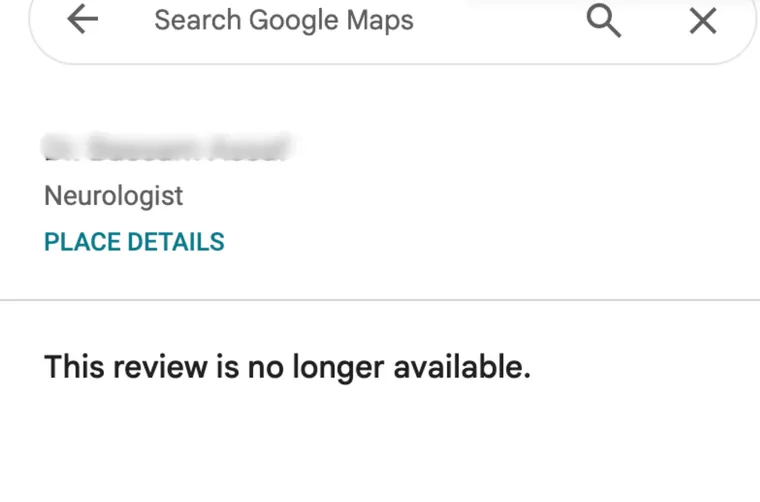
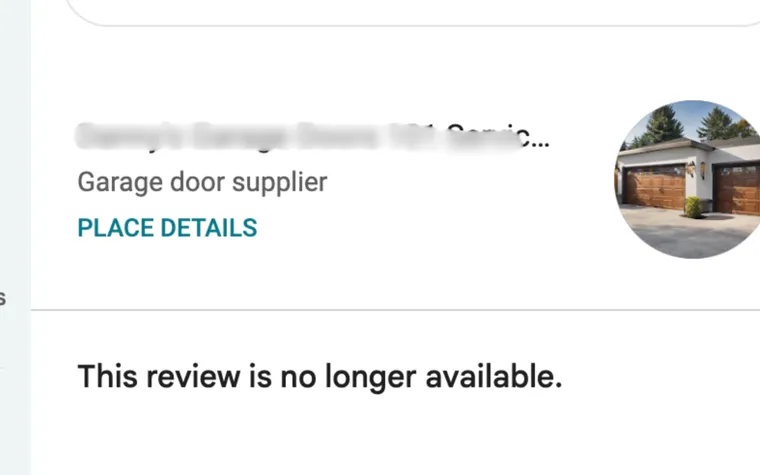
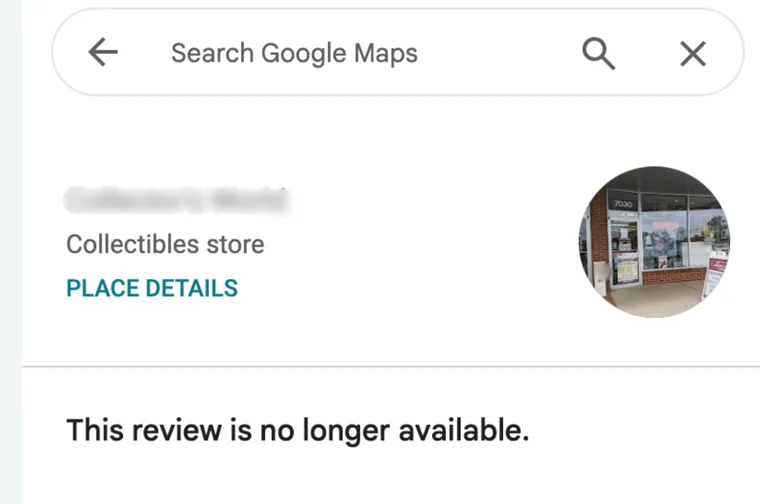
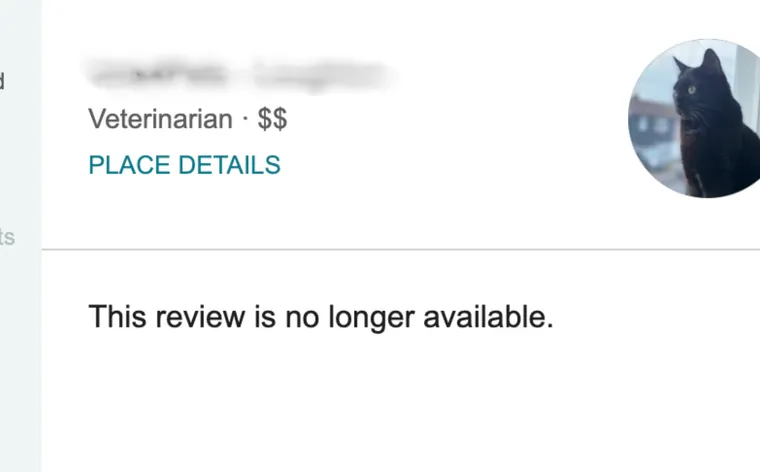
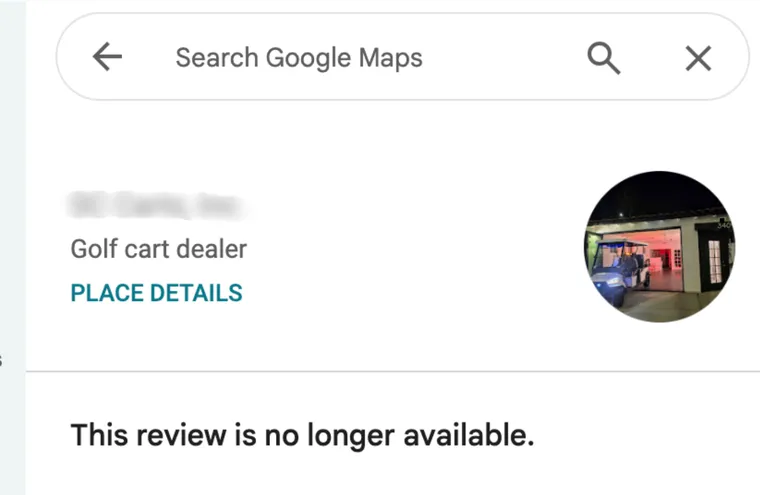
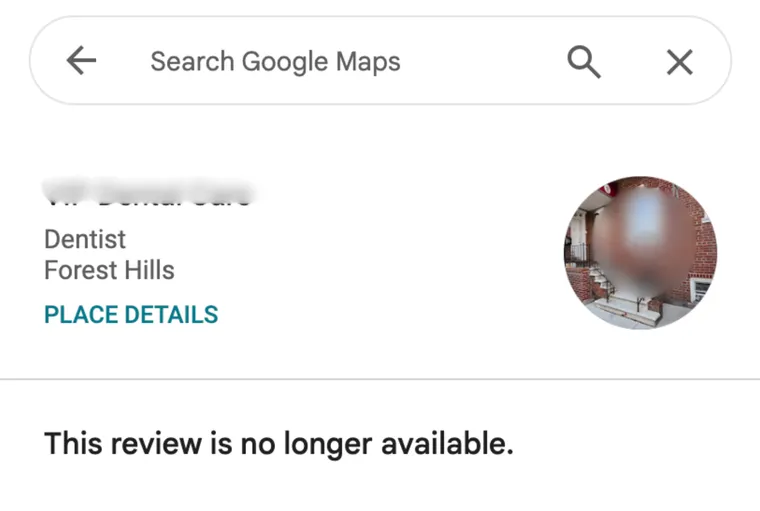
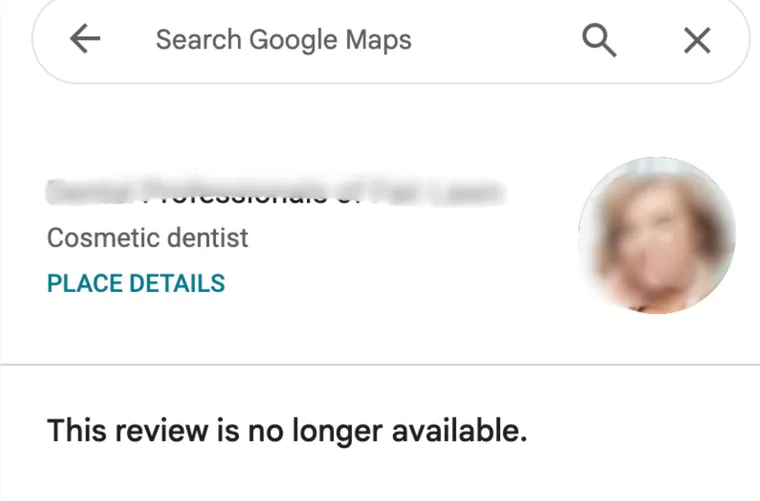
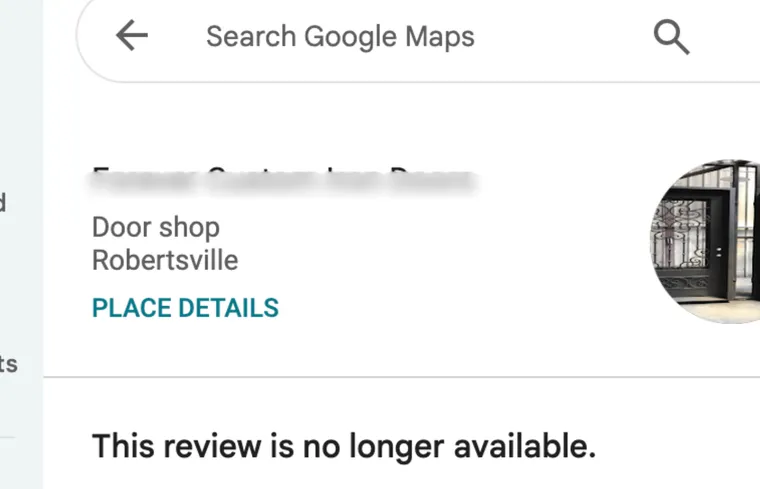
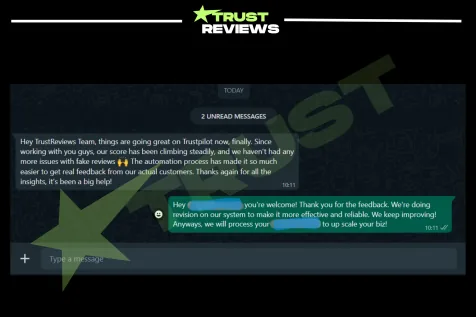
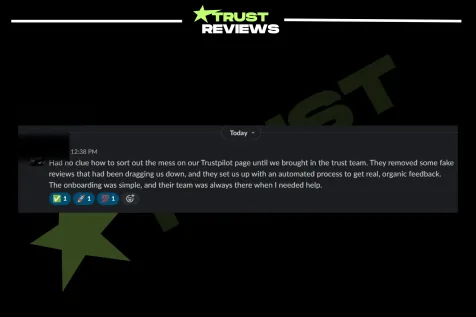
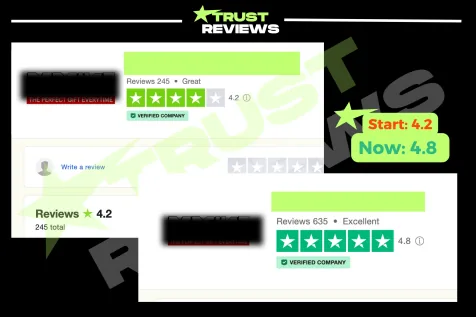
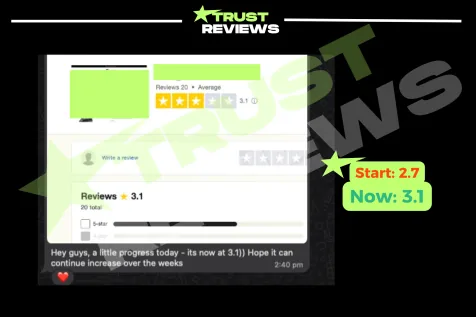
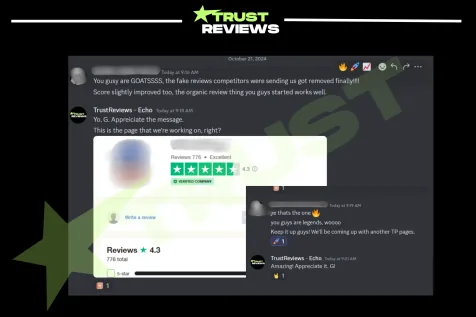
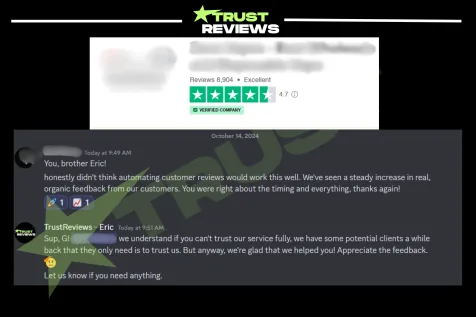
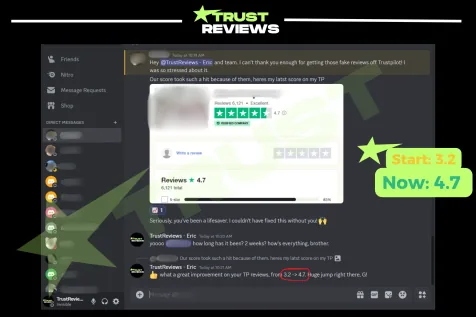
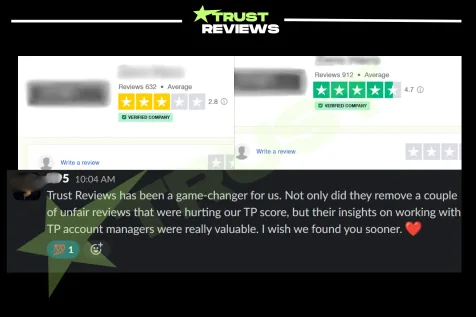
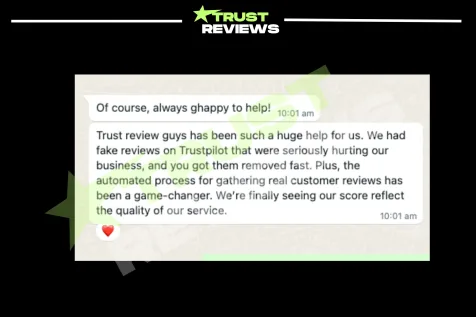
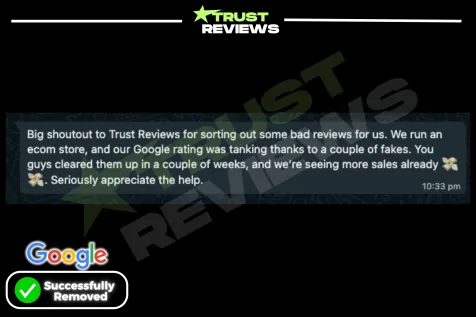
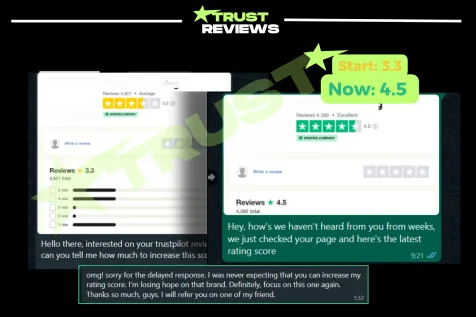
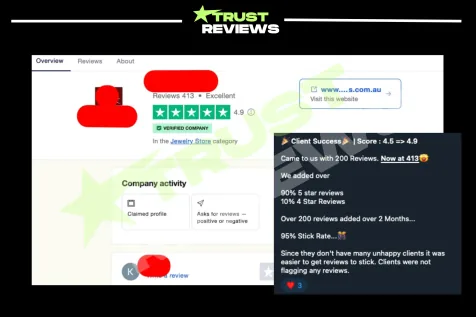
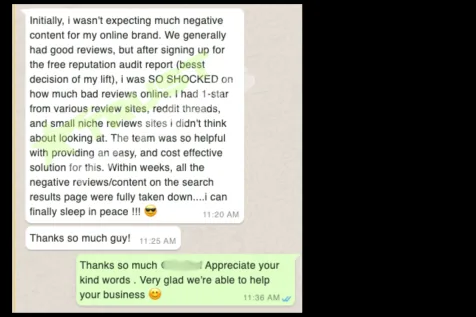
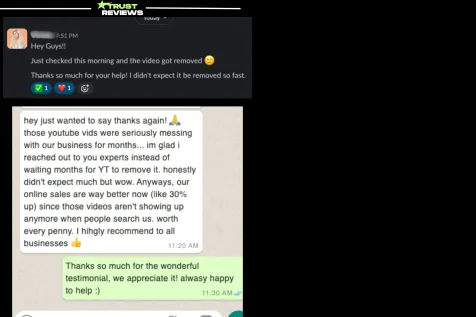
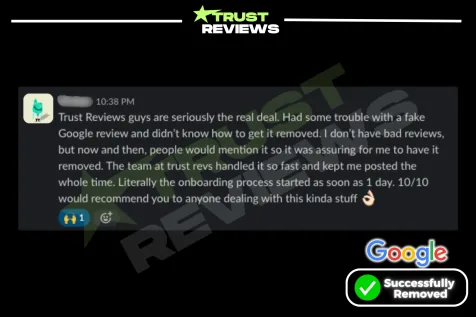
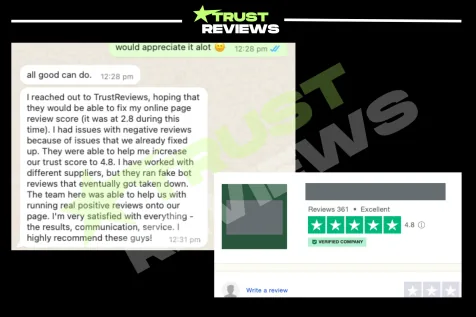
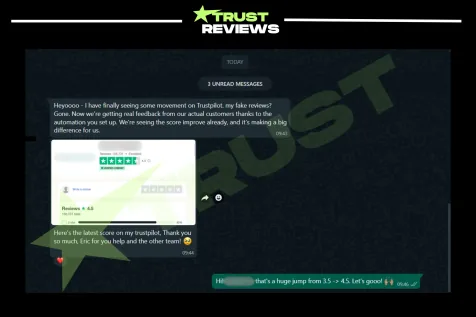
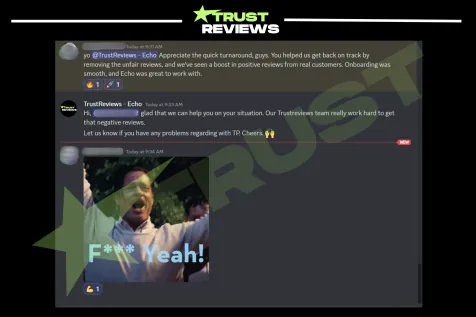
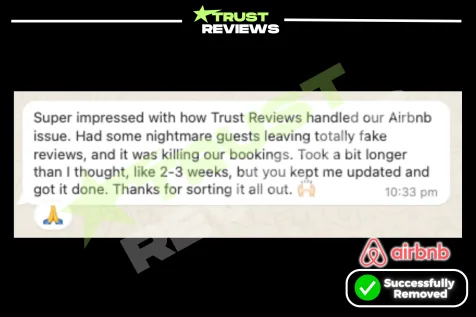
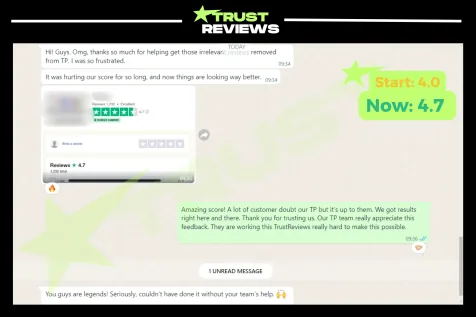
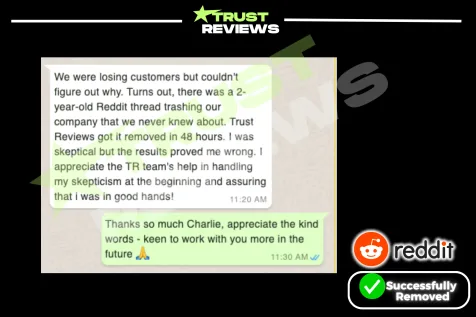
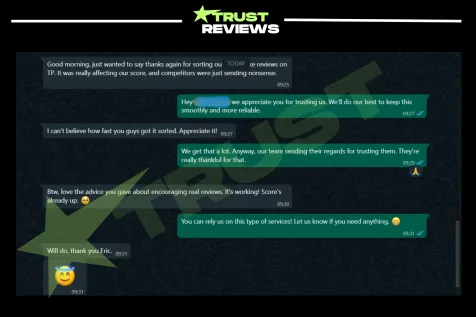
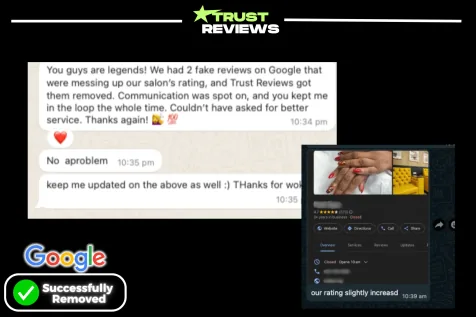
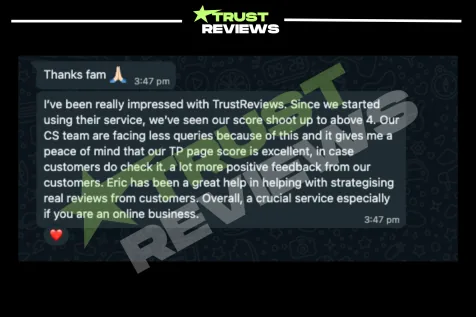
Screenshots of messages clients sent us. We keep every client’s work confidential.
Both act on sudden bursts. Since April 2026, when Google sees a spike of spam reviews, it removes them, pauses new reviews on the profile and alerts the owner. Yelp places an Unusual Activity Alert and stops new posts for a time. In 2025 Yelp placed more than 1,190 of these alerts and 266 Public Attention Alerts, and removed more than 80,000 reviews from those incidents. Do not wait for an alert. Across the Google profiles we monitor, 36% of new 1 and 2 star reviews landed within 48 hours of another one on the same profile (March to October 2026; busy profiles cluster more by chance). One restaurant we work with got 3 one-star reviews in 4 days.
Do not answer the threat in public. Keep the messages, the receipt and the name on the reservation. On Tripadvisor, report it in the Management Center under Report a Review, Report fraud, then Report blackmail threat, as soon as you can. That form works only before the review is posted. If the review goes up on Google, Yelp or Tripadvisor, send us the link in the chat. Tripadvisor says it cannot guarantee removal, and no other platform promises it either.
Do not pay and do not reply. Google says paying encourages more attempts and does not guarantee removal. Report it on Google’s form for negative review extortion scams, which asks for the reviews, the messages and any names, numbers or accounts the scammers used. A real removal service does not work this way: we never contact reviewers or post reviews, and you choose what we file and accept the price in the app before anything is filed.
It depends on who wrote it. A diner describing their own visit and illness is a real experience, and Google, Yelp and Tripadvisor usually leave it up, even if you dispute the cause. A claim from someone who never ate with you breaks Google’s Fake engagement rule and Tripadvisor’s first-hand rule. A review that repeats a news story or an inspection result breaks Tripadvisor’s rule on second-hand information. We file the reviews you choose, and the platform decides.
We file them, and Yelp or Tripadvisor decides. Yelp’s conflict of interest rule covers reviews of your own employer and of competitors, and Yelp asks for the reviewer’s own experience at that location. Tripadvisor posts only first-hand experiences. In 2025 Yelp removed 11% of the roughly 22 million reviews it received. About 9 in 10 of the reviews we remove are on Google, so we start with your Google Business Profile.
You pay for the ones that come down. The platform decides on each review, and a review it keeps up shows as Could not be removed in your TrustOS portal.
What if nothing comes down?HHS has fined or settled with three dental practices over replies
A customer who disputes the quote
The final bill was higher than the estimate
Your reply can disclose more than the review did
Reviews from the other side of a case
Reviews that name a stylist
Tenants reviewing a property manager over a deposit or eviction
Guests who threaten a review for a refund
Paste the link to your Google profile, or to the review or post, and we will tell you how to get started.
Send us the linkAsk a question or paste a link. We reply Monday to Friday, 9am to 5pm ET.
💬 Open the chat